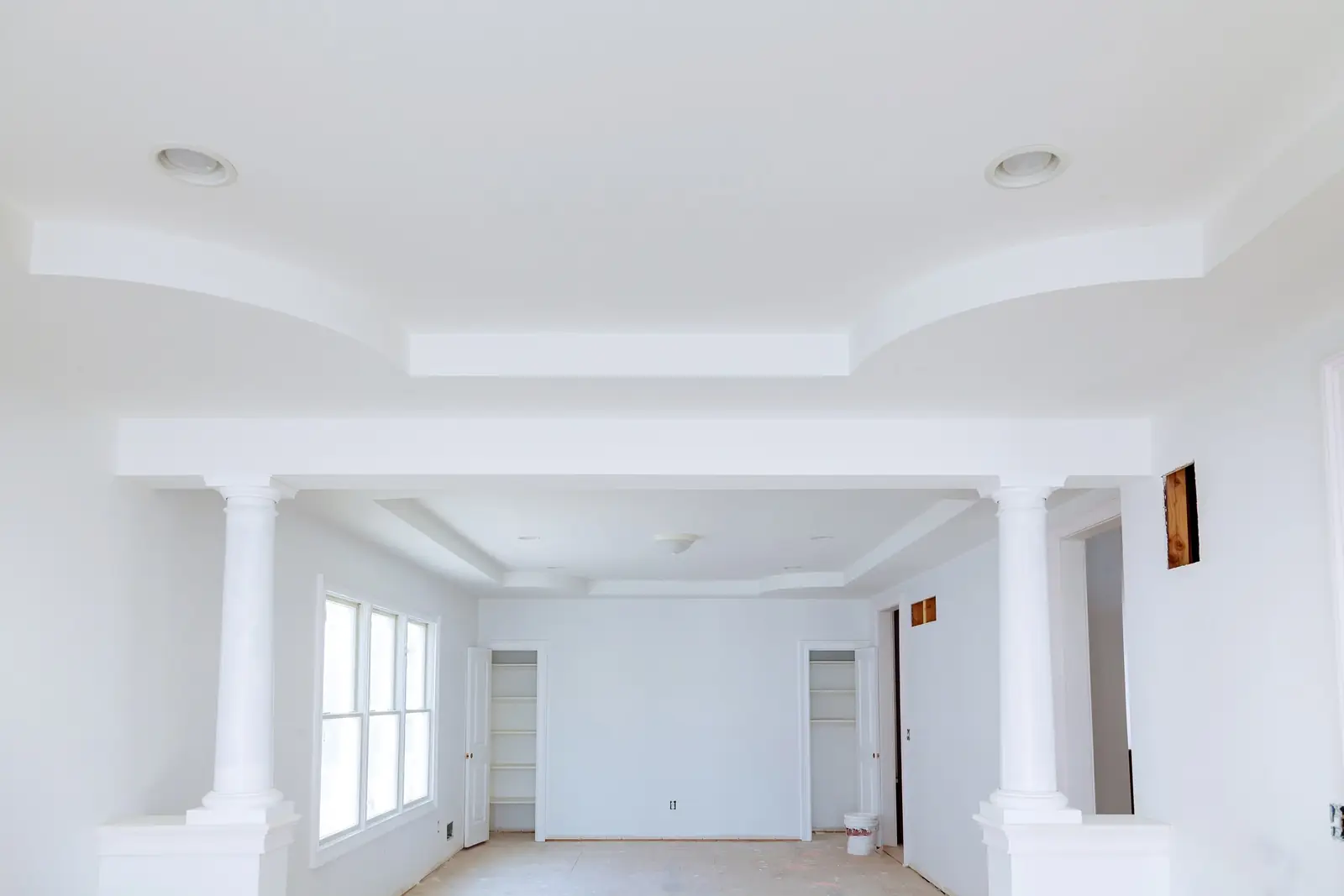
Residential Drywall Services in Muskego
Drywall work inside a home people are still living in — so the dust, the schedule and the finish all matter.
Most residential drywall isn’t new construction. It’s the wall that came out during a kitchen remodel, the bathroom that got gutted, the ceiling that came down after a leak, or the lower level that finally gets finished. And there’s usually a family living in the house the whole time.
Muskego Elite Drywall handles residential work from one damaged wall to a whole floor — hanging, taping, finishing, texture and repair — with the goal of walls that look right once they’re painted and a house left as clean as the job allows.
Why homeowners call
If one of these sounds like your situation, this is the right page.
Remodels
Kitchens, baths and opened-up floor plans where old and new walls have to meet.
Additions
Sunrooms, bump-outs and rooms over the garage tied into the existing house.
Lower levels
Family rooms, bedrooms and offices in the basement.
Everyday damage
Holes, cracks, pops, dented corners and trade cut-outs.
Ceiling updates
Popcorn removal, crack repair and flattening before new lights.
Not sure it fits?
Send a photo and a sentence or two. Ask about your project →
Working inside a lived-in house
Sanding compound makes a fine dust that travels. In an occupied home the work area is sealed with plastic, floors are covered and vents in the zone are closed off where practical. Low-dust sanding helps, but containment is what keeps the rest of the house livable.
Matching existing surfaces is the other half of the job. Older walls may have a light texture, a slightly different thickness or a corner profile that new materials don’t match straight out of the box. A patch that is flat and smooth can still stand out if its texture or sheen is different — so matching gets sorted before the painter arrives.
Residential jobs also have to fit around other trades and a family’s calendar. Electricians, plumbers and HVAC installers generally need to finish rough-ins before walls close, and an inspection may need to happen first. Building that order into the plan avoids cutting open brand-new drywall.
Containment is what keeps the rest of the house livable.
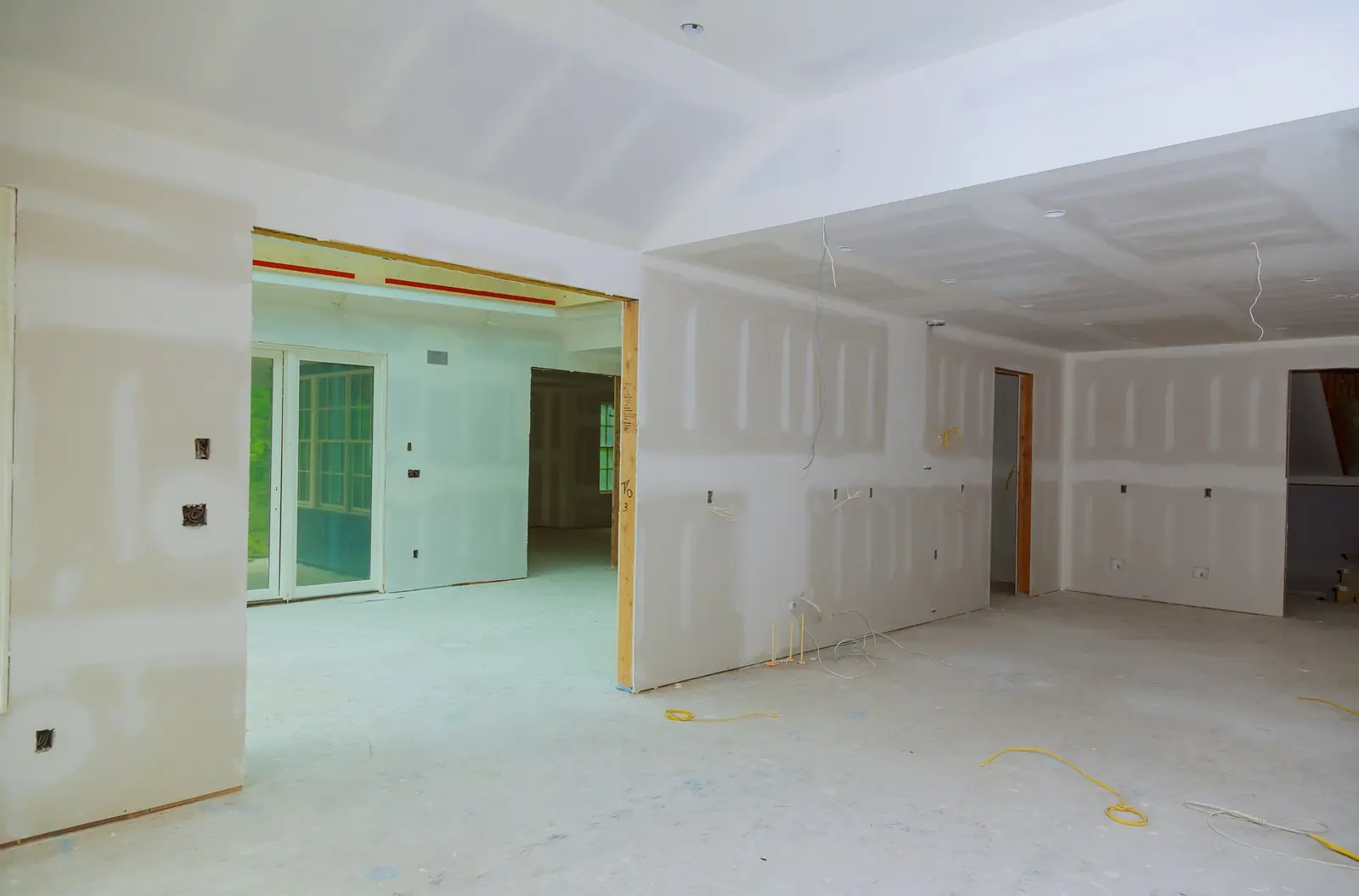
Representative photo.
How residential drywall services usually goes
A general outline — the exact steps depend on the space and the scope you choose.
Walkthrough
Look at the rooms, check for moisture or framing problems, talk timing, pets and access.
Written estimate
Scope, finish level, who paints, and any unknowns that could change the price.
Protect and prep
Floors and furniture covered, the area sealed, damaged material removed.
Hang, tape, finish
Board, tape and compound coats with proper drying time.
Sand, check, clean
Checked under raking light, touched up and cleaned for paint.
What goes into the work
The right product depends on where it’s going. These come up most often for residential drywall services.
½-inch wall board
The usual choice for interior walls.
⅝-inch / sag-resistant ceiling board
Stays flat under blown-in insulation.
Moisture-resistant board
For baths, laundry rooms and basements.
Paper and mesh tape
Each where it performs best.
Setting and premixed compound
Strength first, smoothness last.
Corner bead
Matched to existing corners, tougher in busy halls.
What you get from doing it right
- Smooth, even walls and ceilings after paint.
- Less dust and disruption while life goes on.
- New work that matches the rest of the house.
- A clear written scope — no surprises about what’s included.
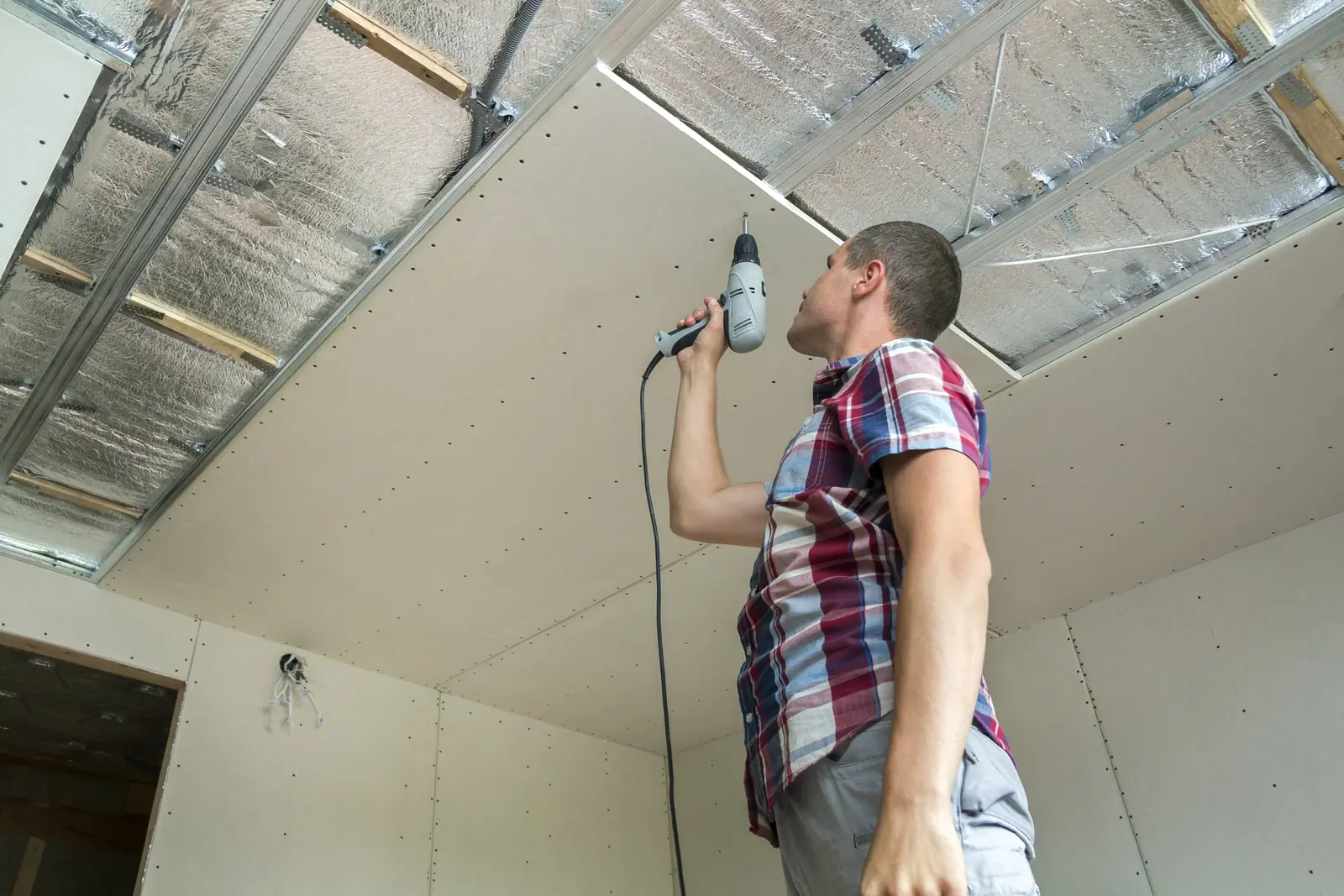
See what changes
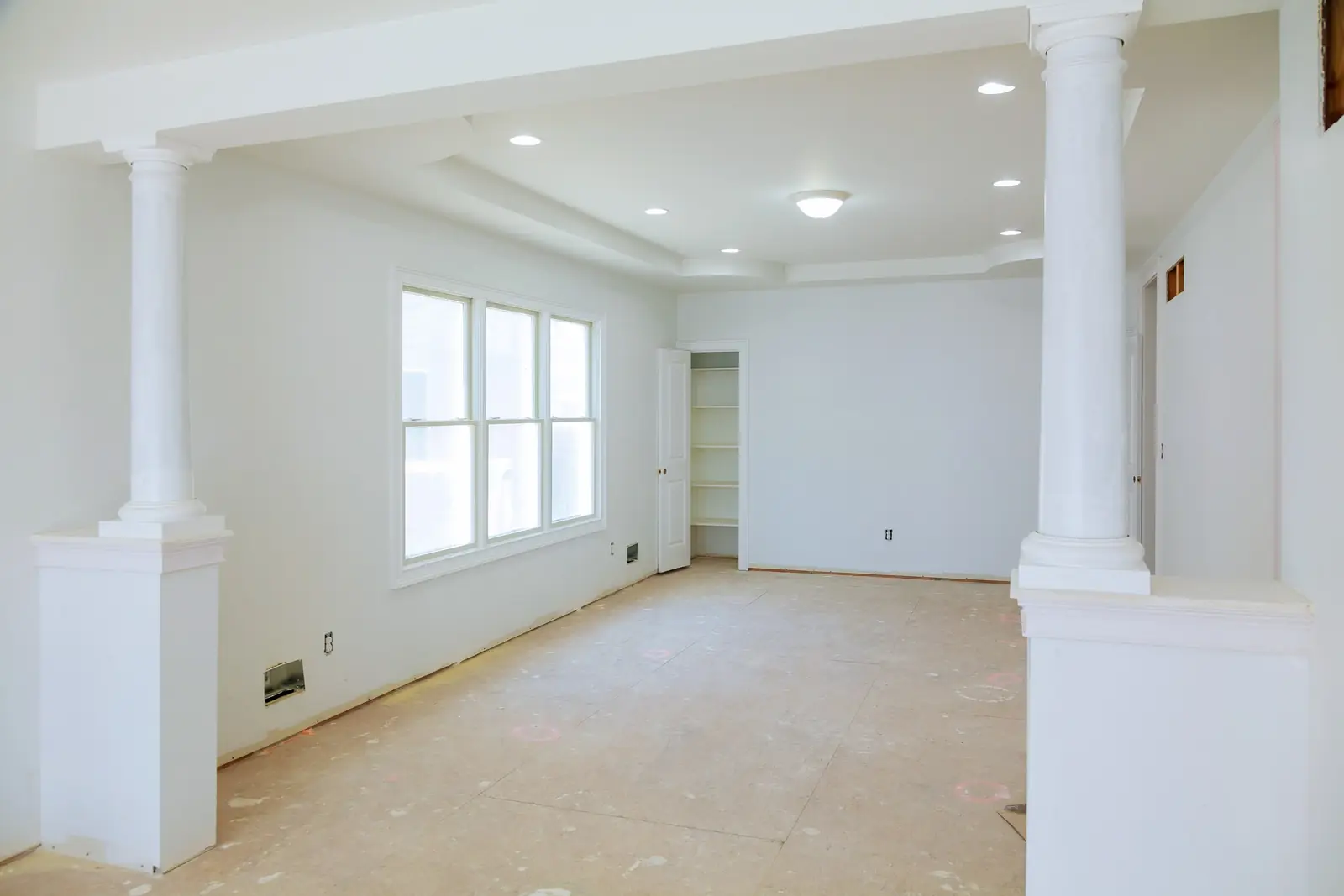
Drag the level across the photo — or focus it and use your arrow keys — to compare a typical starting point with a finished result.
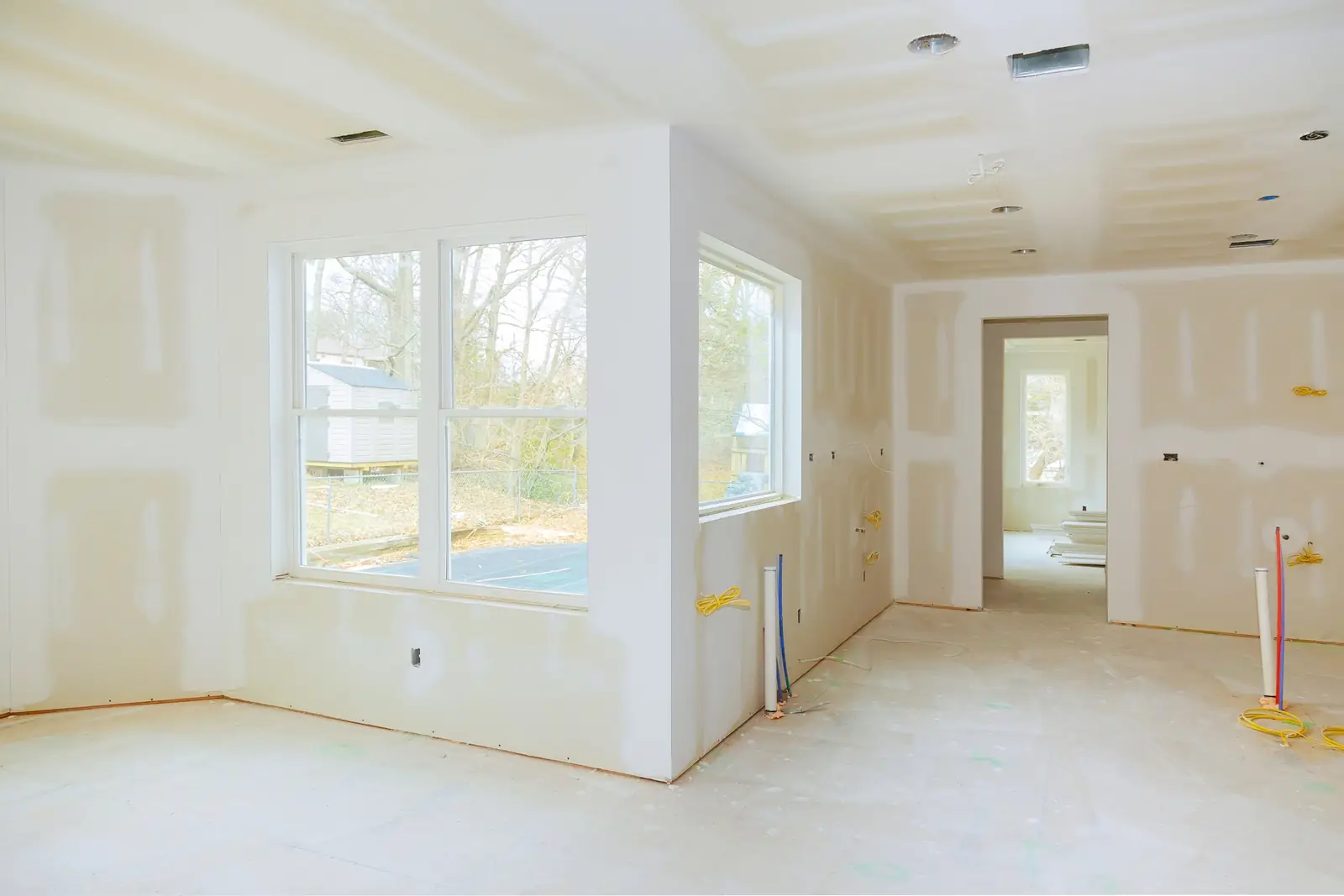
 BeforeAfter
Illustrative stock photos showing typical before and after conditions — not a Muskego Elite Drywall project. Real job photos will replace these.
Homes around Muskego
Muskego’s housing ranges from lake homes and older ranches to subdivisions built in the last few decades, plus houses on larger rural lots. Older homes tend to bring popcorn ceilings, settled framing and the occasional plaster wall; newer ones more often need finished basements, garage work and the nail pops and cracks that come with new lumber drying out.
Residential Drywall Services questions
Something else on your mind? Add it to your estimate request.
Do I need to move furniture?
Moving small and fragile items helps. Larger furniture can usually be shifted to the middle of the room and covered. We’ll talk it through at the walkthrough.
How long does a room take?
Drying time sets the pace. Even a modest room usually takes several visits over a few days: tape and first coat, second coat, final coat, then sanding.
Do you paint too?
Painting is quoted separately when it’s part of the job. Either way, the drywall is left primed or primer-ready, with notes for your painter.
Can you match my wall texture?
In most cases. Smooth, light orange peel and knockdown are the most common. We test the match on a small area first.
Often part of the same job
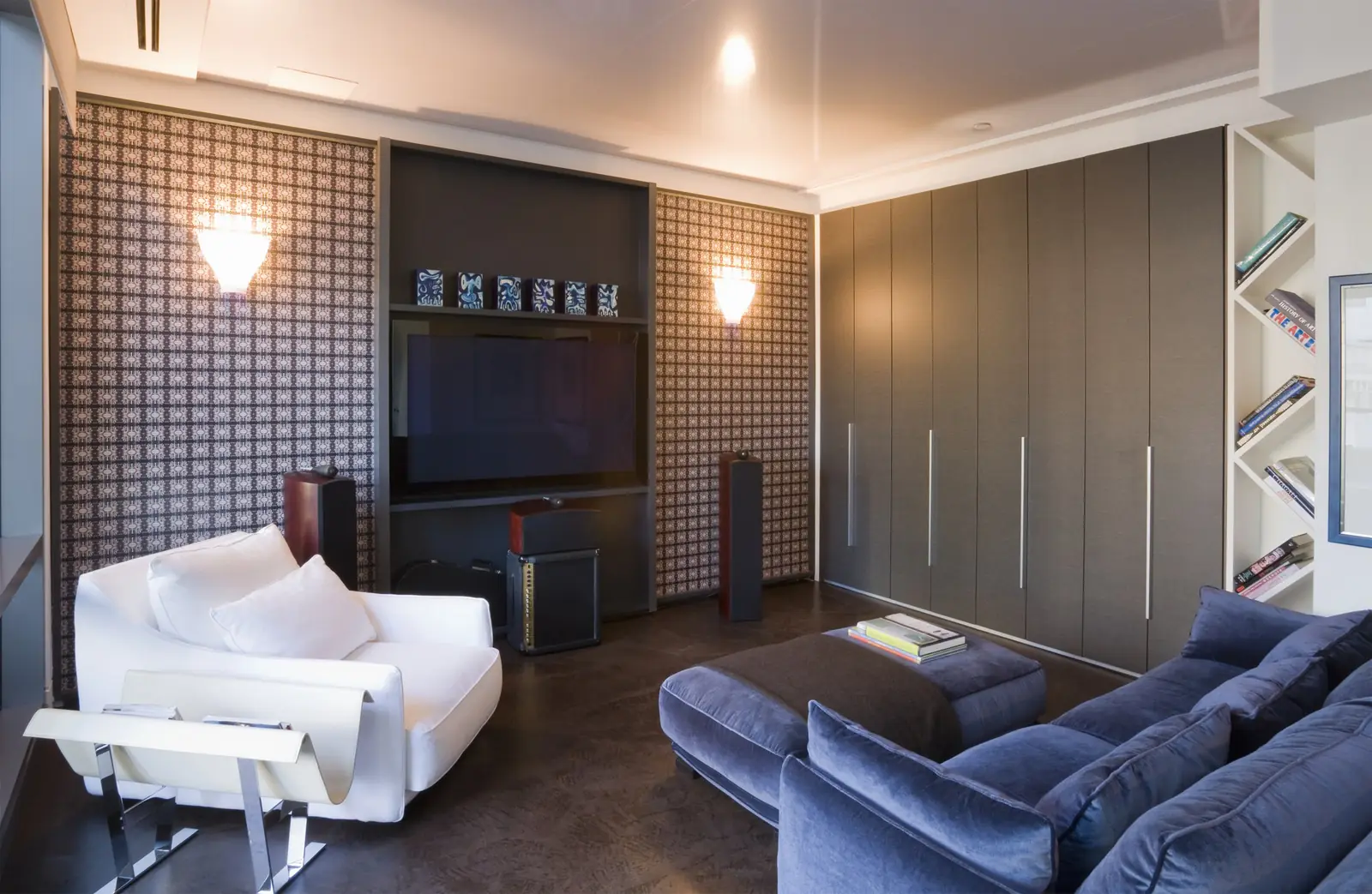
Basement Drywall Installation
Lower levels boarded with moisture in mind, soffits built straight around ducts and beams, and ceilings finished for recessed lights.
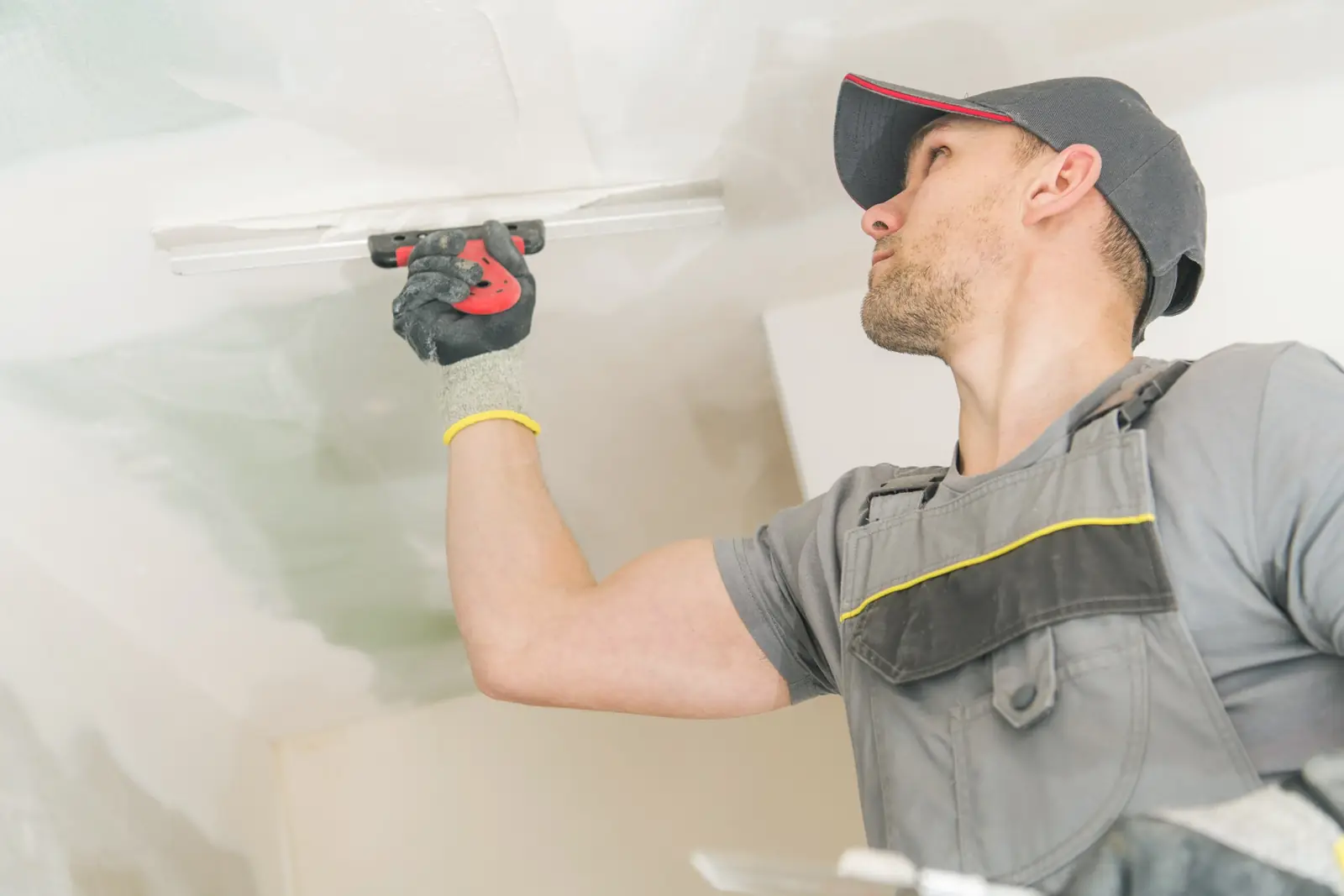
Drywall Repair
Cracks, popped screws, crushed corners and peeling tape — traced back to what caused them, then repaired so they stay gone.
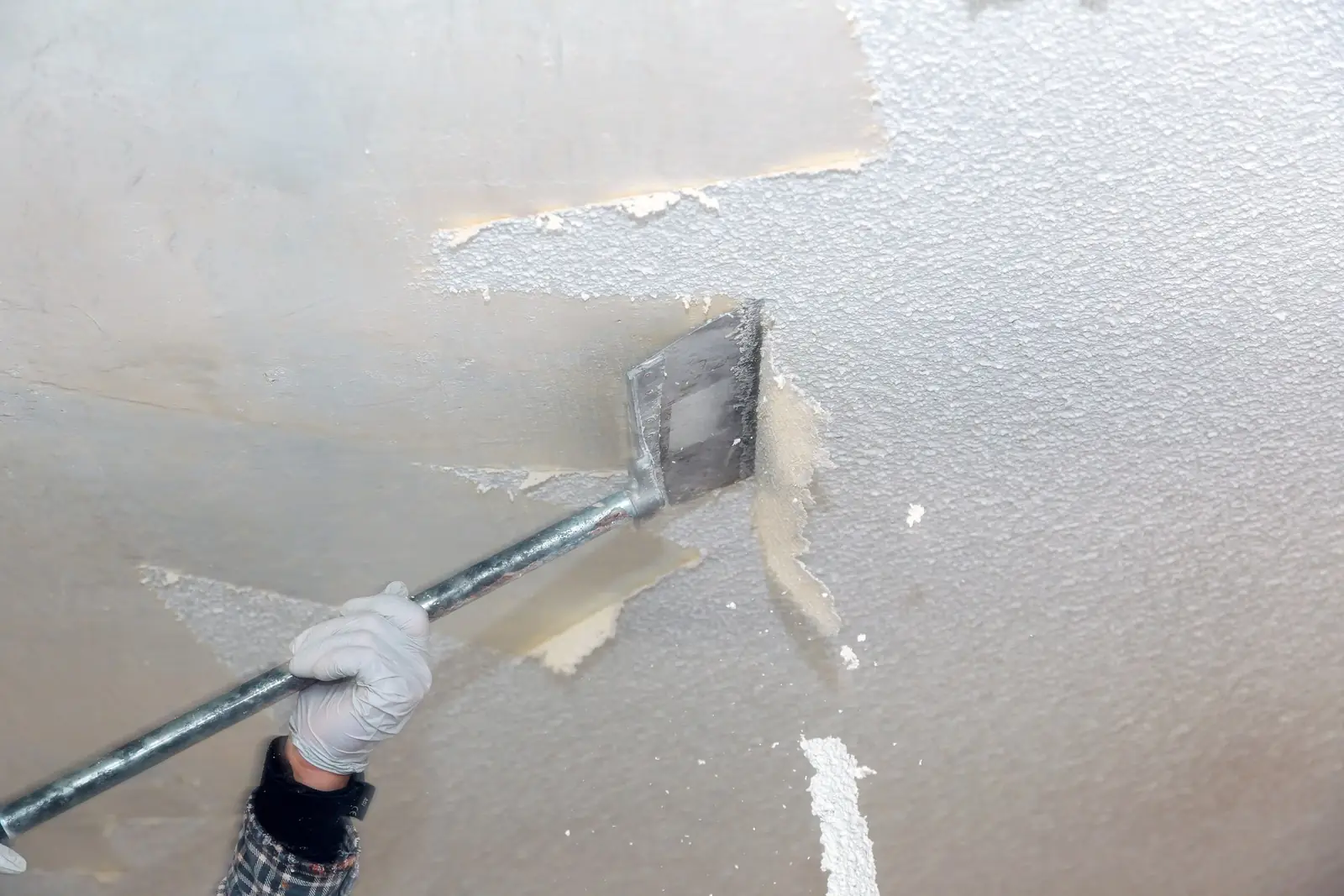
Popcorn Ceiling Removal
Dated acoustic texture scraped, skimmed and primed into a clean, flat ceiling — once testing questions are answered.
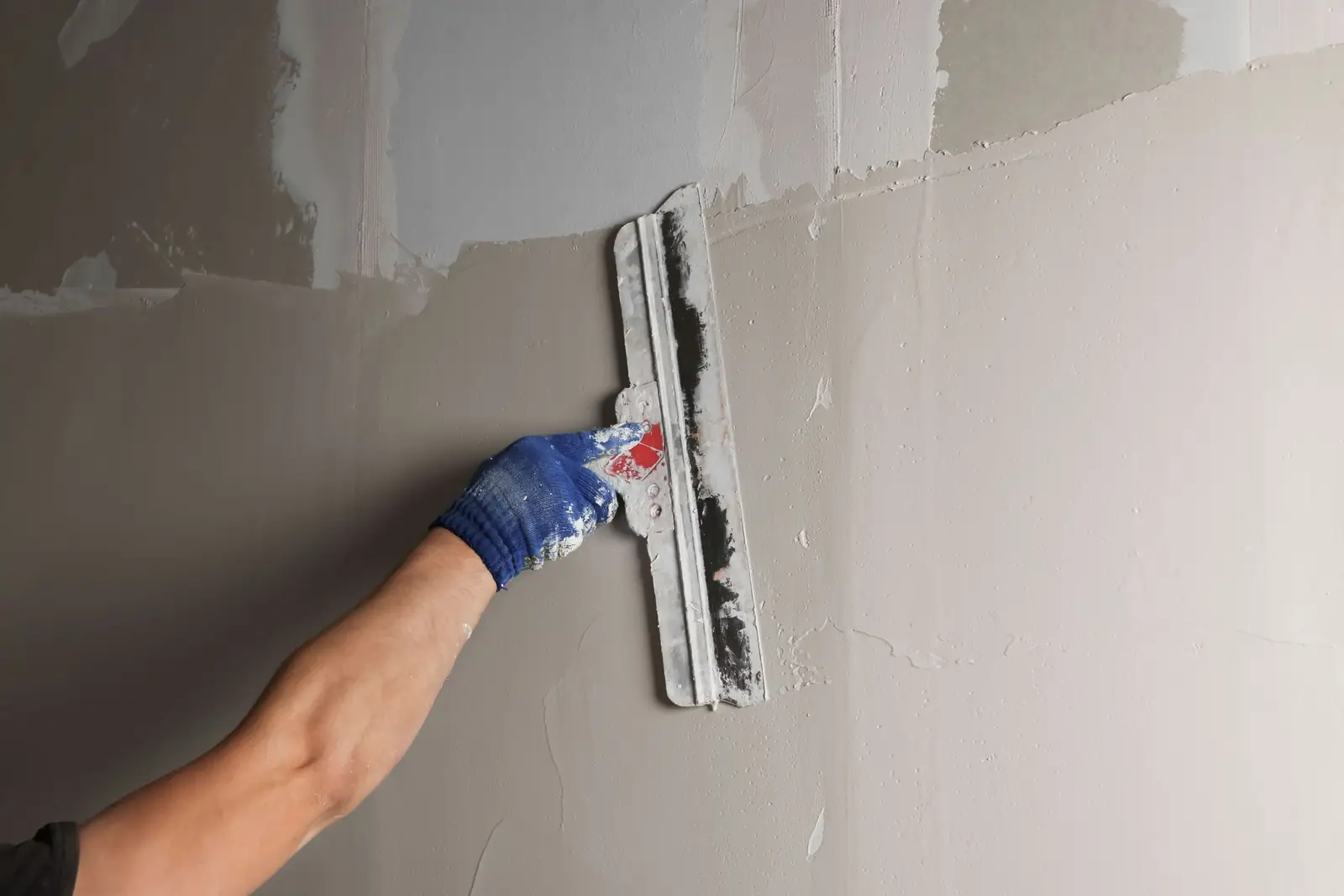
Drywall Finishing
Finish levels chosen for the light in each room — through Level 5 skim coats for walls that sit beside big windows.
Tell us about your home project
A few photos and a short description are enough to start. We’ll follow up to arrange a look.
Get a Free Estimate