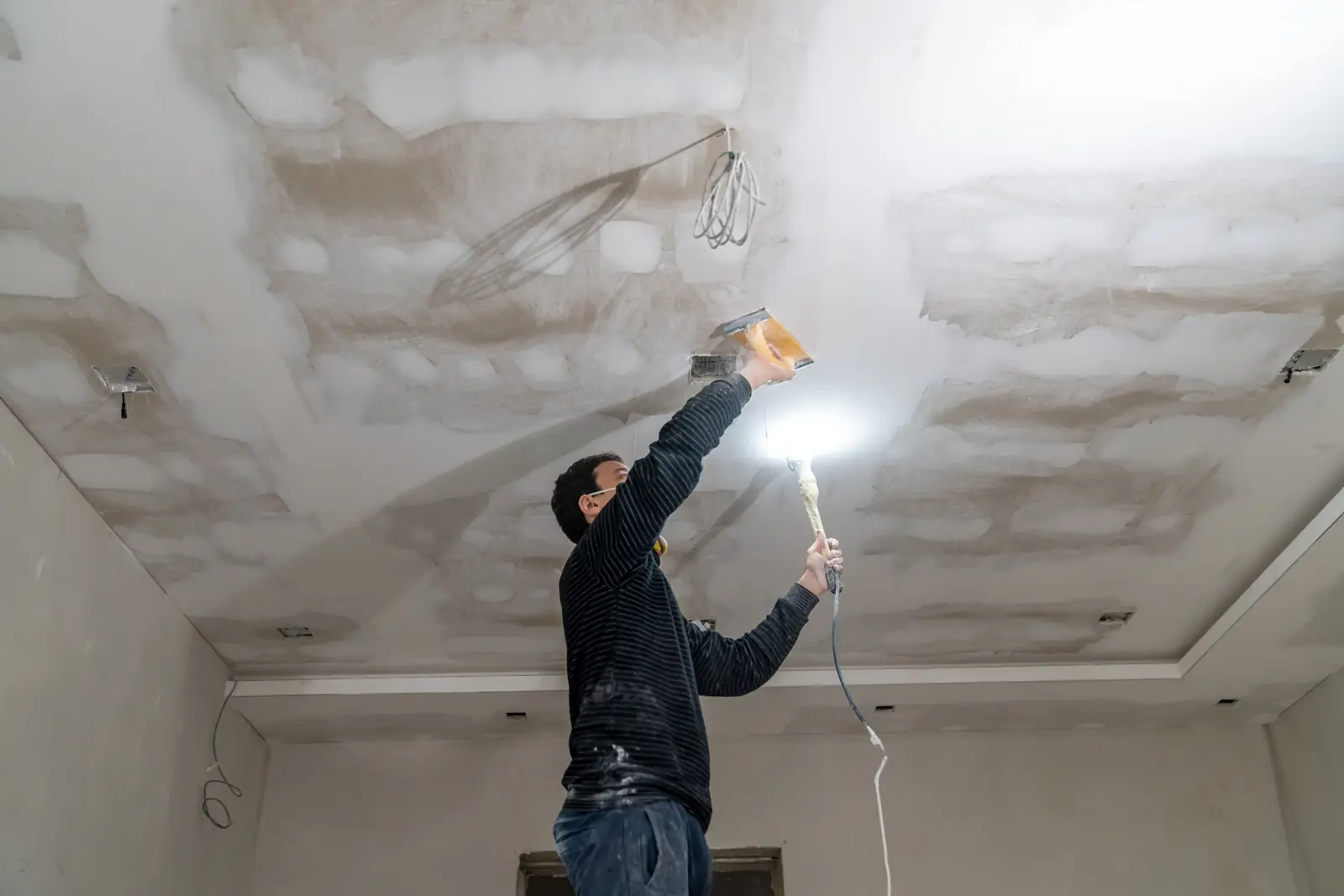
Ceiling Drywall Repair in Muskego
Ceilings catch light at the lowest possible angle. A repair that would pass on a wall can stand out overhead.
People live with a ceiling problem for months and then can’t stop seeing it: a crack running the length of a seam, a line of round pops, a corner that opens every winter, or a soft brown ring under the upstairs bathroom. Ceilings show everything because daylight and fixtures rake across them almost sideways.
Ceiling work is also harder than it looks. It’s overhead, gravity works against every coat of compound, and textures are tricky to match. Muskego Elite Drywall repairs ceilings in homes and commercial spaces, from a single crack to a whole room.
What we fix overhead
If one of these sounds like your situation, this is the right page.
Cracked seams
Long cracks following a taped joint, usually from movement or tape that never bonded.
Nail and screw pops
Rows of small bumps where fasteners have worked loose.
Corner cracks every winter
Gaps where ceiling meets wall that open in the heating season.
Sagging panels
Board drooping between joists from moisture, heavy insulation or thin fastening.
Leak stains and soft spots
Damage from a roof, bathroom or HVAC leak above.
Not sure it fits?
Send a photo and a sentence or two. Ask about your project →
Why ceiling cracks come back — and how to stop them
Filling a ceiling crack with compound almost never lasts, because the crack is a sign of movement. The fix that holds cuts out the failed tape, screws the board tight to the framing on both sides of the joint, and re-tapes with paper tape bedded in setting compound.
Cracks where the ceiling meets an interior wall, opening in winter and closing in summer, are often truss uplift: roof trusses arch slightly when the attic is cold and the house is warm. Those corners are handled by changing how the ceiling is fastened near the wall so it can float a little without tearing the joint, rather than simply taping over it again.
Sagging board is re-secured if it’s still sound, or replaced if it has been wet or lost its strength. Either way the repair is feathered wide, the texture is matched, and the area is primed so it disappears under fresh ceiling paint.
A ceiling crack that returns every January is a movement problem, not a mud problem.
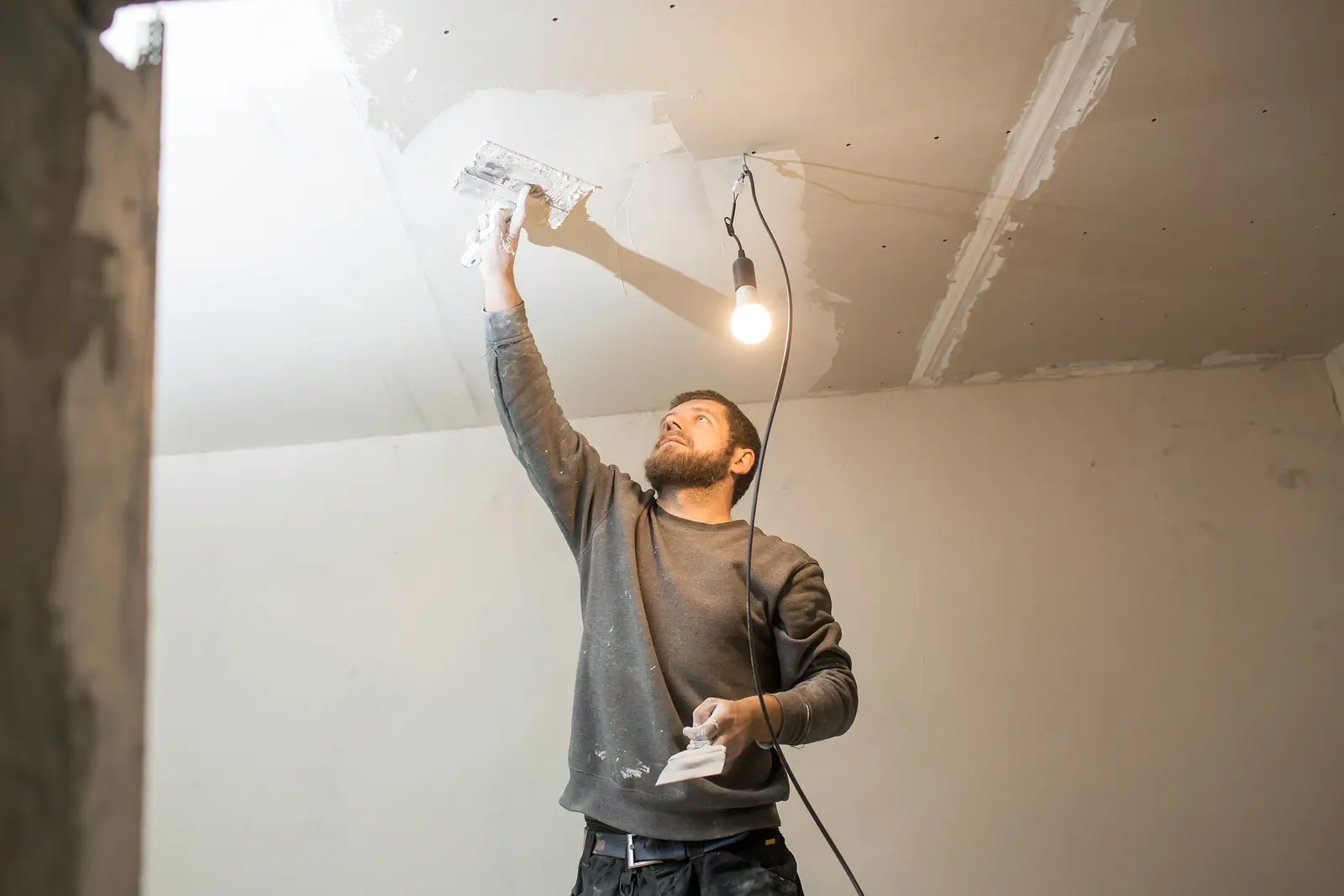
Representative photo.
How ceiling drywall repair usually goes
A general outline — the exact steps depend on the space and the scope you choose.
Diagnose
Moisture, movement, fastening or damage — each one changes the repair.
Protect the room
Overhead work drops dust and compound, so floors and furniture get covered.
Re-secure or replace
Remove failed tape, add screws, or cut out and replace damaged board.
Tape and feather
Setting compound and paper tape, then finish coats wide enough to vanish.
Texture and prime
Match the existing texture and prime for ceiling paint.
What goes into the work
The right product depends on where it’s going. These come up most often for ceiling drywall repair.
Sag-resistant ceiling board
Stays flat between joists.
Drywall screws
Hold better than nails and reduce future pops.
Paper tape + setting compound
Strong, low-shrink joints for repeat cracks.
Lightweight compound
Easier to apply overhead and sand smooth.
Texture materials
For matching knockdown, orange peel and other finishes.
Stain-blocking ceiling primer
Keeps old water marks from bleeding through.
What you get from doing it right
- Repairs that don’t crack again next heating season.
- A ceiling that reads flat and continuous in daylight.
- Water-weakened board dealt with before it becomes a hazard.
- A repaired area you can’t pick out from the rest of the ceiling.
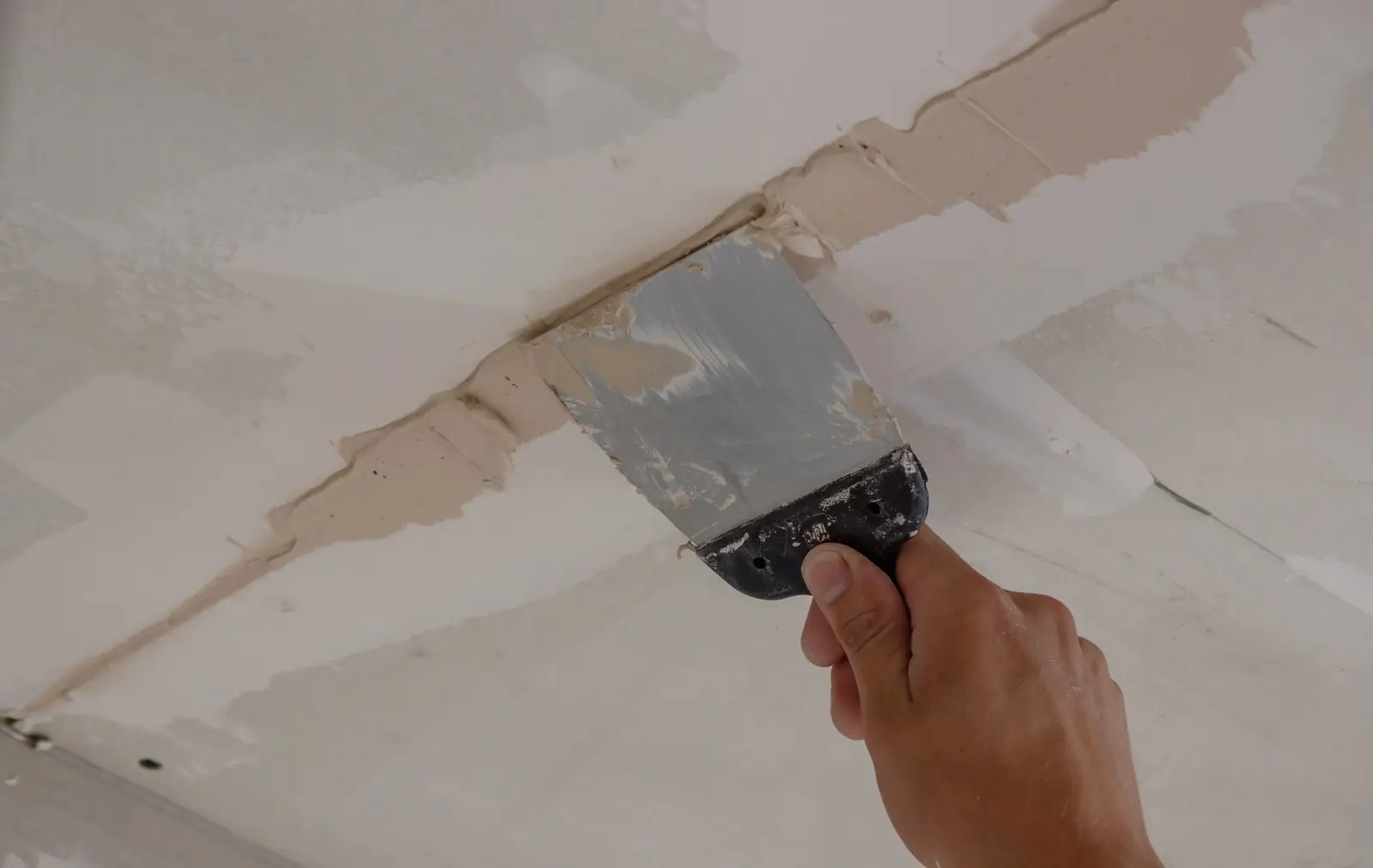
See what changes
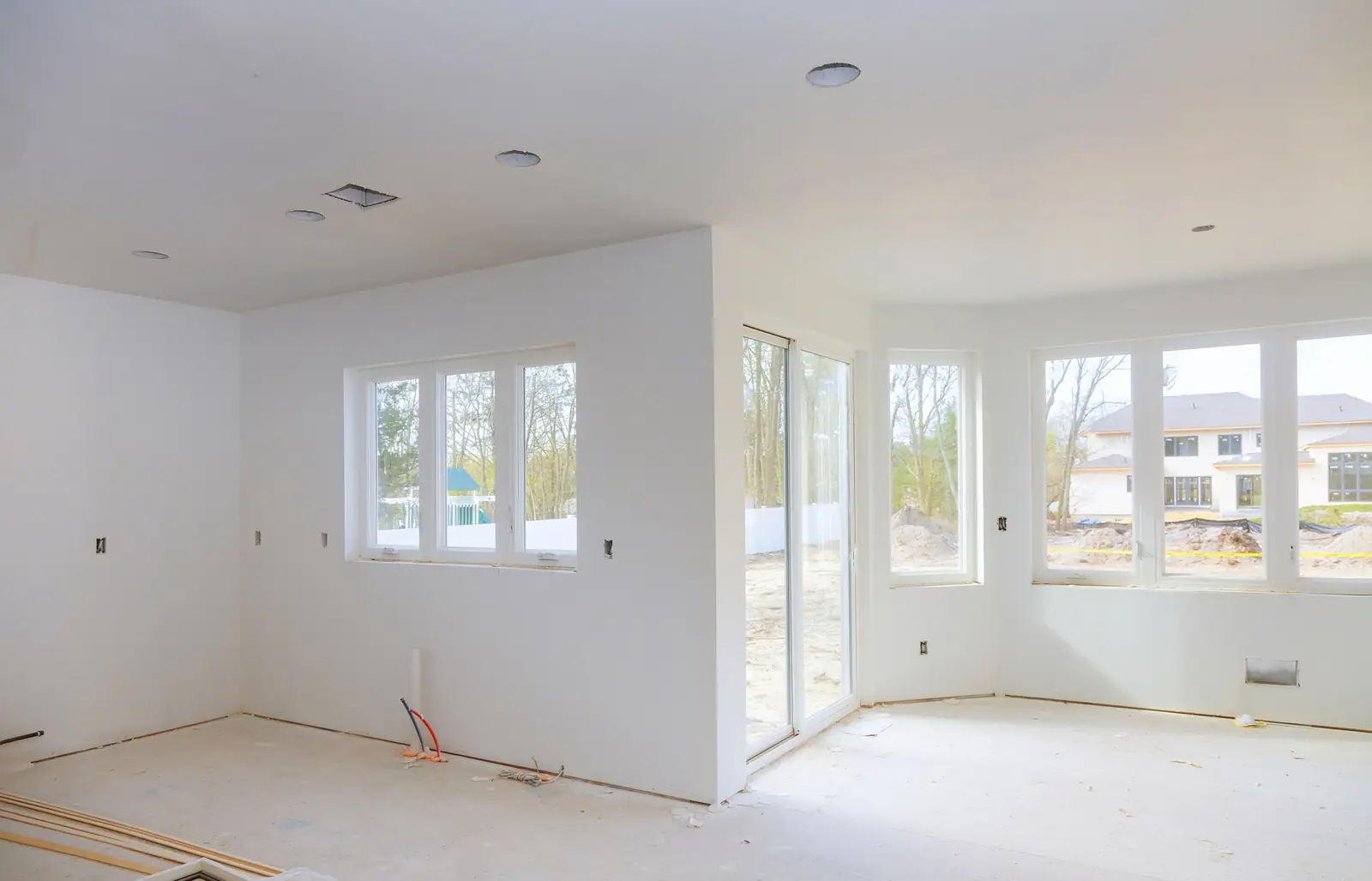
Drag the level across the photo — or focus it and use your arrow keys — to compare a typical starting point with a finished result.
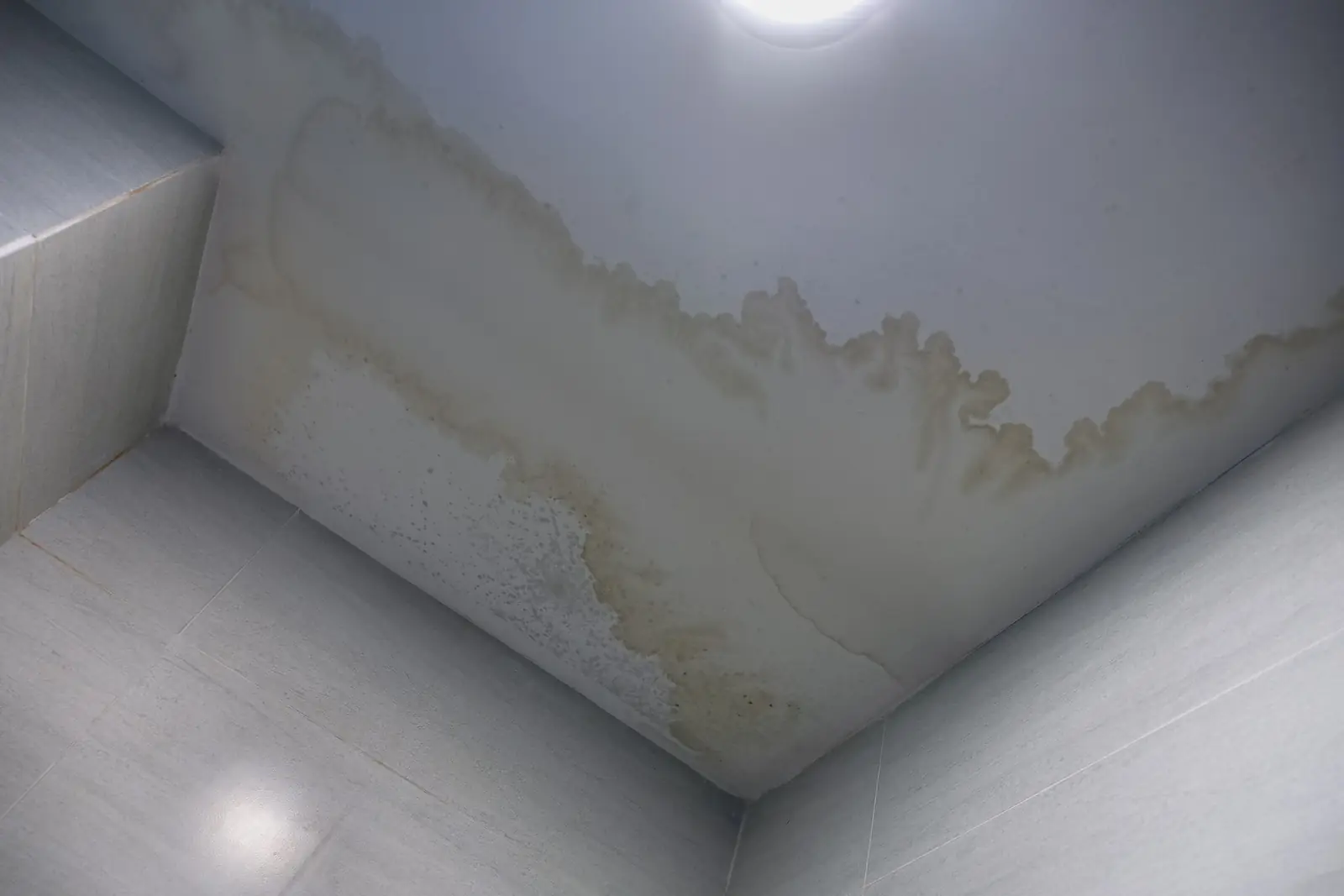
 BeforeAfter
Illustrative stock photos showing typical before and after conditions — not a Muskego Elite Drywall project. Real job photos will replace these.
Ceilings in Muskego homes
Cold Wisconsin winters create a big temperature difference between attics and living spaces, which is exactly what drives truss uplift and seasonal corner cracks. Ice dams along eaves are another common source of ceiling stains in upper rooms. If your crack shows up every winter, or your stain appeared after a thaw, mention that when you get in touch — it changes the repair.
Ceiling Drywall Repair questions
Something else on your mind? Add it to your estimate request.
Why does my ceiling crack keep reappearing?
Usually because it was filled, not re-taped, and the framing is still moving. Re-fastening and re-taping with setting compound is the durable fix.
What is truss uplift?
Roof trusses can bow upward in winter because their top is in a cold attic and their bottom is in a warm house. That can lift the ceiling away from interior walls and open a crack, which may close again in summer.
Should I worry about a sagging ceiling?
A slight sag from thin fastening is mostly cosmetic. A sag after a leak is more serious — wet drywall is heavy and can fall. Keep clear and call for help.
Can you match my textured ceiling?
In most cases. We test the match on a small area first. With heavy textures, re-texturing the whole ceiling sometimes gives the cleanest result.
Often part of the same job
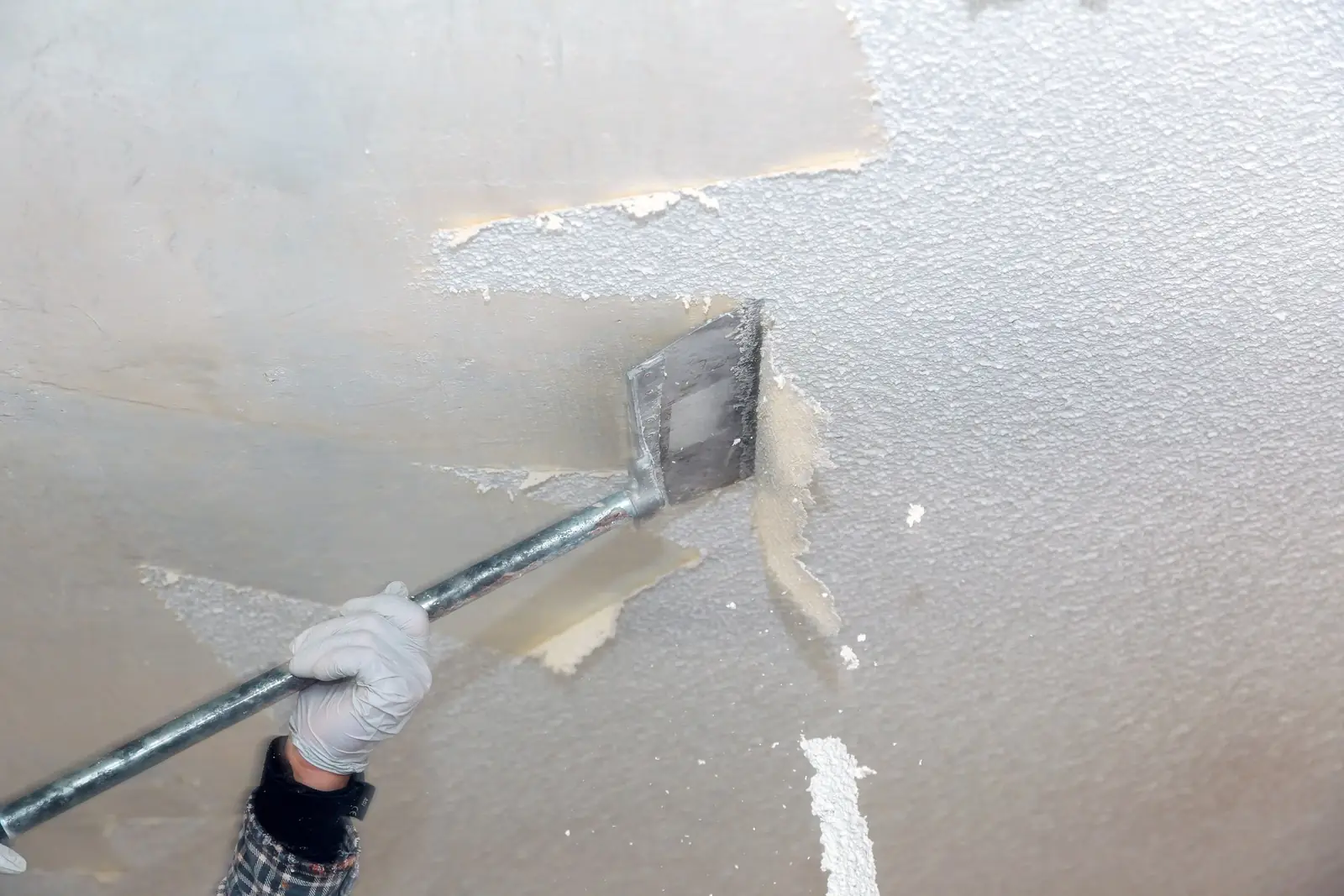
Popcorn Ceiling Removal
Dated acoustic texture scraped, skimmed and primed into a clean, flat ceiling — once testing questions are answered.
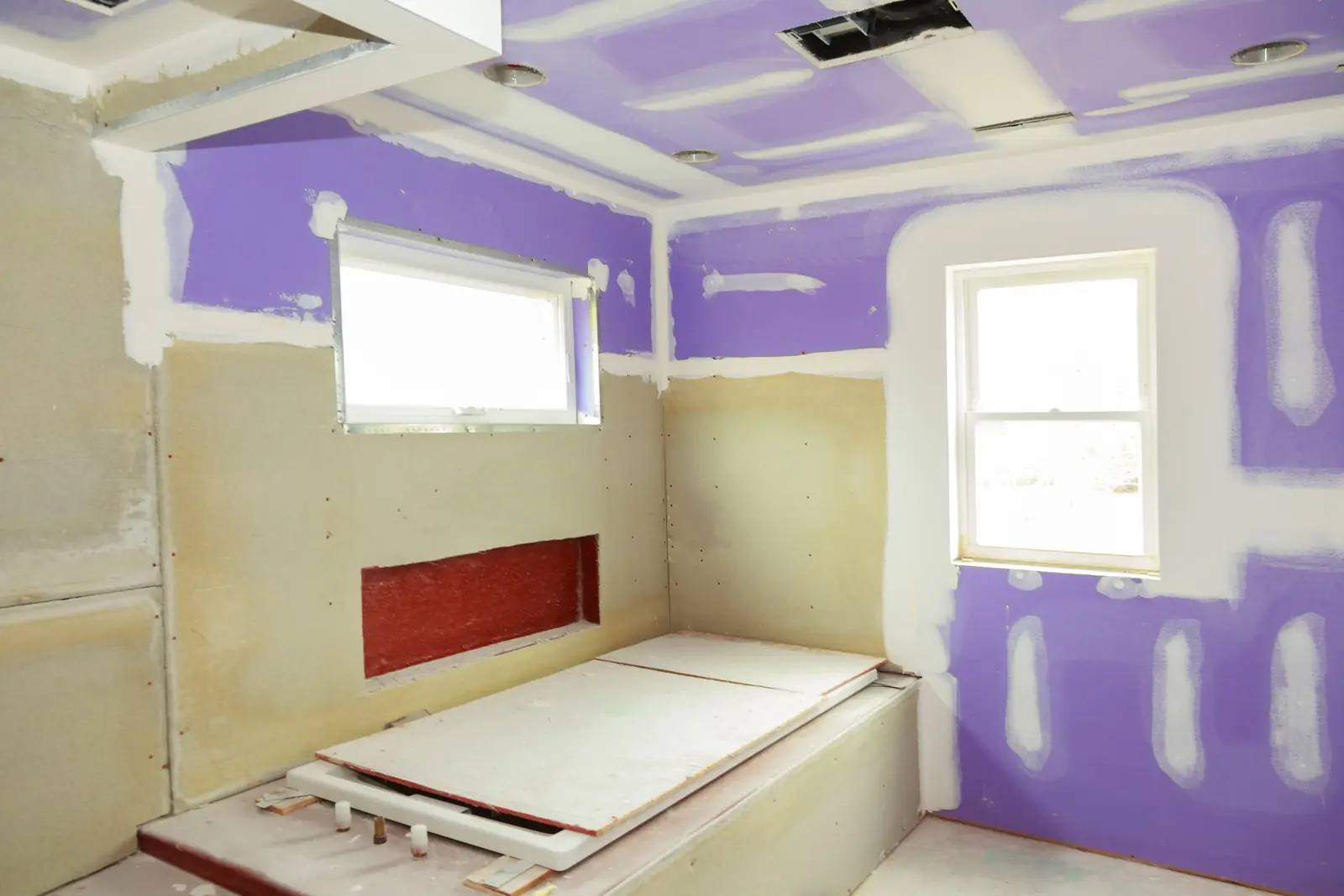
Water-Damaged Drywall Repair
Soaked, stained or sagging board removed back to dry material, the cavity confirmed dry, then rebuilt and finished.

Drywall Repair
Cracks, popped screws, crushed corners and peeling tape — traced back to what caused them, then repaired so they stay gone.
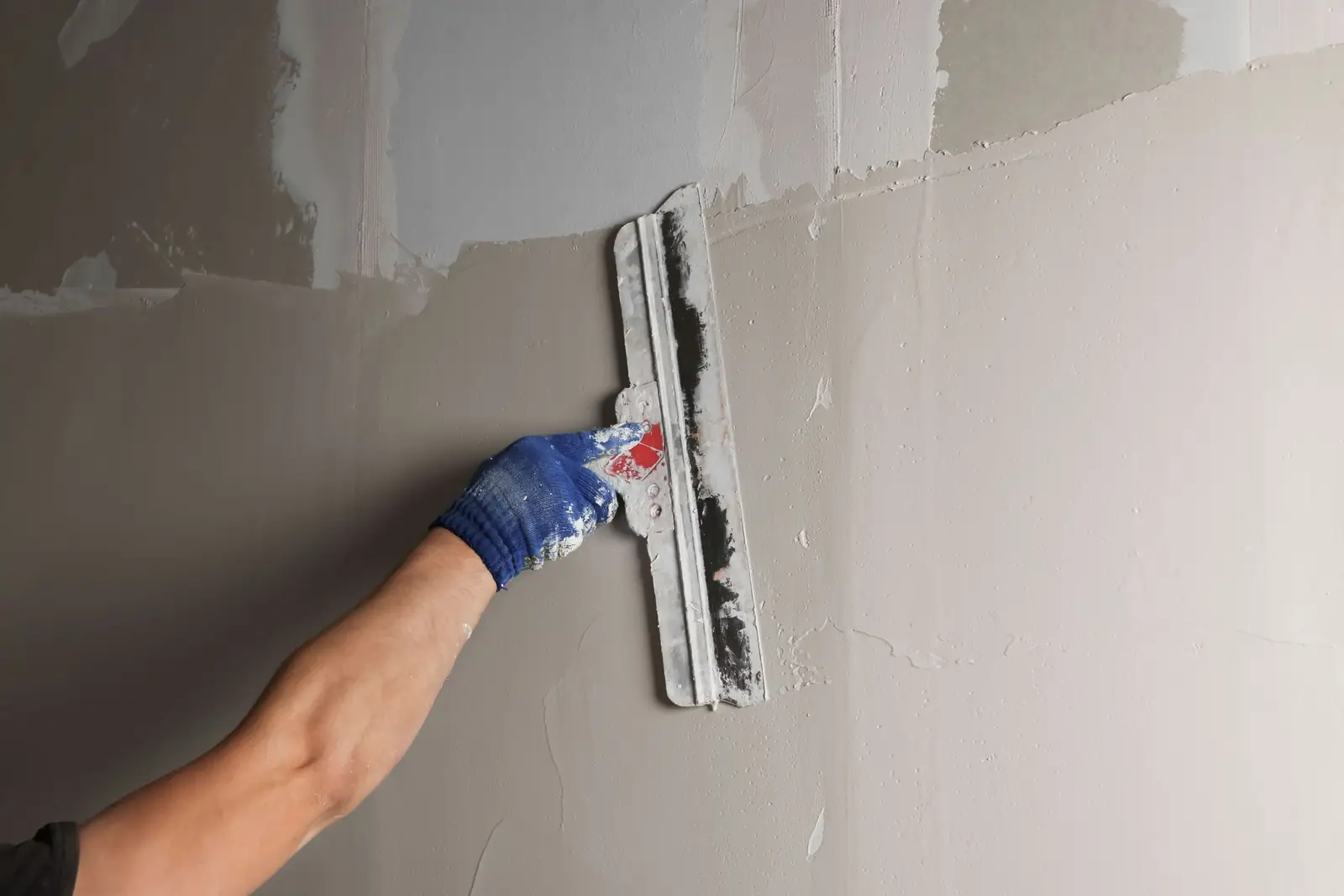
Drywall Finishing
Finish levels chosen for the light in each room — through Level 5 skim coats for walls that sit beside big windows.
Something wrong overhead?
Send a photo of the ceiling and tell us when the problem showed up. We’ll follow up with next steps.
Get a Free Estimate