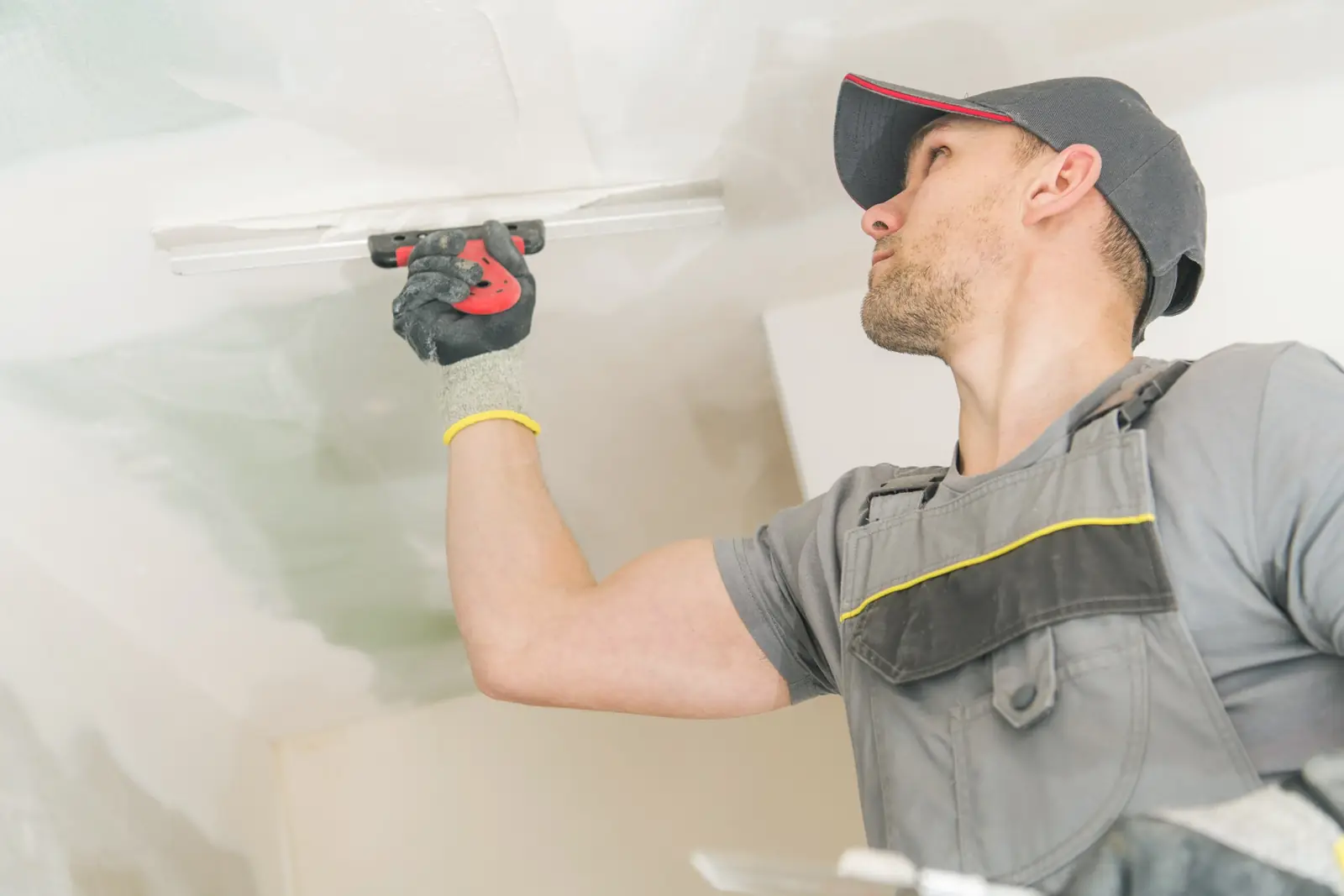
Drywall Repair in Muskego, Wisconsin
Most wall damage has a reason. Fix the reason and the repair lasts; skip it and the same crack is back by spring.
Drywall damage comes in a handful of familiar shapes: a crack running up from the corner of a door, a line of round bumps where screws have backed out, a corner bead that has been hit by one too many laundry baskets, or a taped seam that has started to bubble and peel. Each one has a likely cause, and each needs a slightly different repair.
Muskego Elite Drywall repairs walls and ceilings in occupied homes, rentals and businesses. We look at what caused the damage before reaching for the knife, because filling a crack without dealing with the movement behind it is the surest way to see it again.
Repairs we see most often
If one of these sounds like your situation, this is the right page.
Cracks at doors and windows
Diagonal cracks off the corners of openings — usually movement, or a seam that landed right on the corner.
Nail and screw pops
Small round bumps as framing lumber dries and shrinks, pushing fastener heads out.
Bubbled or peeling tape
Seams where the tape never bonded fully, or where moisture loosened it.
Dented or cracked corners
Outside corners in hallways and stairways that take daily bumps.
Torn face paper
Paper pulled off by old wallpaper, tape or removed fixtures.
Not sure it fits?
Send a photo and a sentence or two. Ask about your project →
Diagnose first, then repair
Nail pops are a good example. Hammering the nail back in looks like a fix, but the lumber that pushed it out is still moving. The lasting repair is a drywall screw set an inch or two away to pull the board tight to the framing, then the old fastener reset or removed and both spots finished over.
Cracks that keep returning in the same spot usually mean movement in the framing. Those get opened up, re-taped with paper tape bedded in setting-type compound, and feathered wide enough that the eye can’t find the repair. Simply smearing compound into a crack tends to last one season.
Torn paper needs its own approach. If compound or paint goes straight onto exposed brown paper, it bubbles. The damaged area is sealed first with a primer made for torn drywall, then skimmed smooth.
A crack is a symptom. The repair is only as good as the diagnosis.
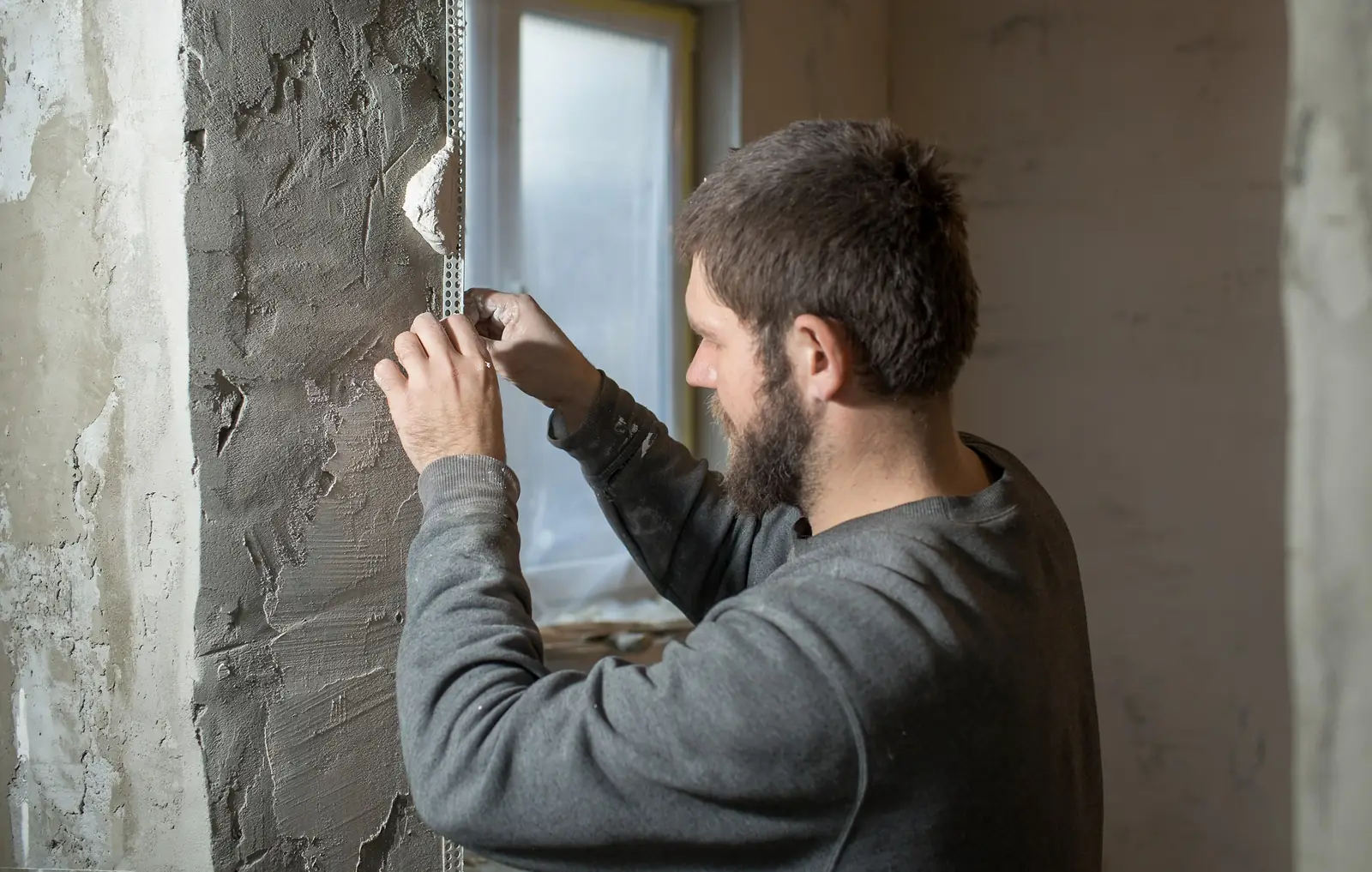
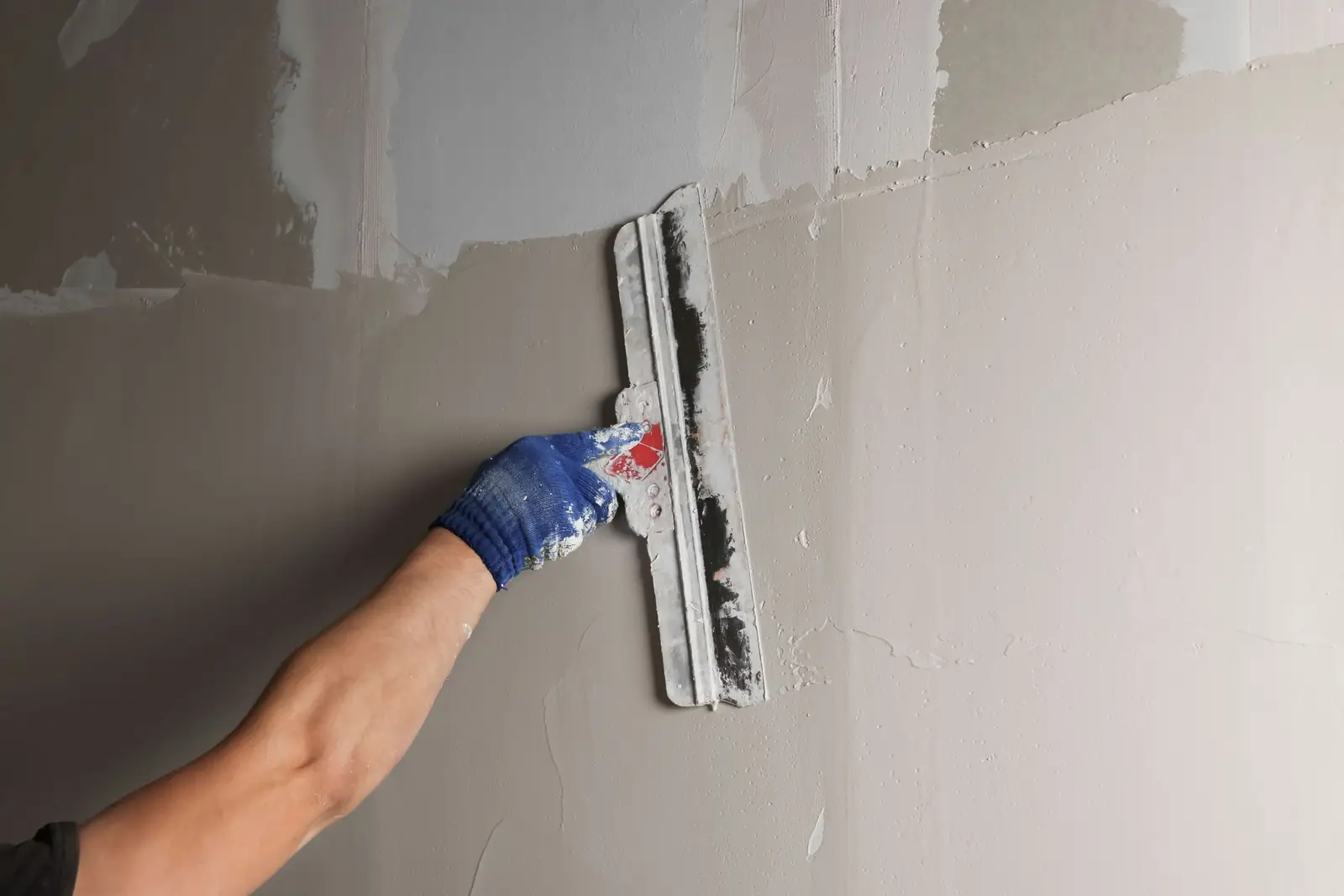
Representative photo.
How drywall repair usually goes
A general outline — the exact steps depend on the space and the scope you choose.
Look for the cause
Moisture, settling, seasonal movement, impact or a failed fastener — each points to a different fix.
Open it up
Cut out loose tape and broken material, and re-fasten the board with screws.
Reinforce
Re-tape with setting compound, replace damaged bead and fill low areas.
Feather and match
Finish coats wide enough to vanish under paint, with texture matched where needed.
Sand and prime
Sand smooth, check under raking light and spot-prime before paint.
What goes into the work
The right product depends on where it’s going. These come up most often for drywall repair.
Drywall screws
Pull loose board tight and stop pops from returning.
Paper tape + setting compound
A strong, low-shrink combination for cracks that have failed before.
Replacement corner bead
Metal, vinyl or paper-faced, chosen to match what is already there.
Torn-paper sealer
Stops bubbling where the face paper has been damaged.
Texture materials
For matching orange peel, knockdown and other existing finishes.
What you get from doing it right
- Repairs that hold because the underlying cause is dealt with.
- Walls that look continuous after paint — no outlines or humps.
- Problems handled before they grow or spread.
- Several repairs around the house covered in one visit.
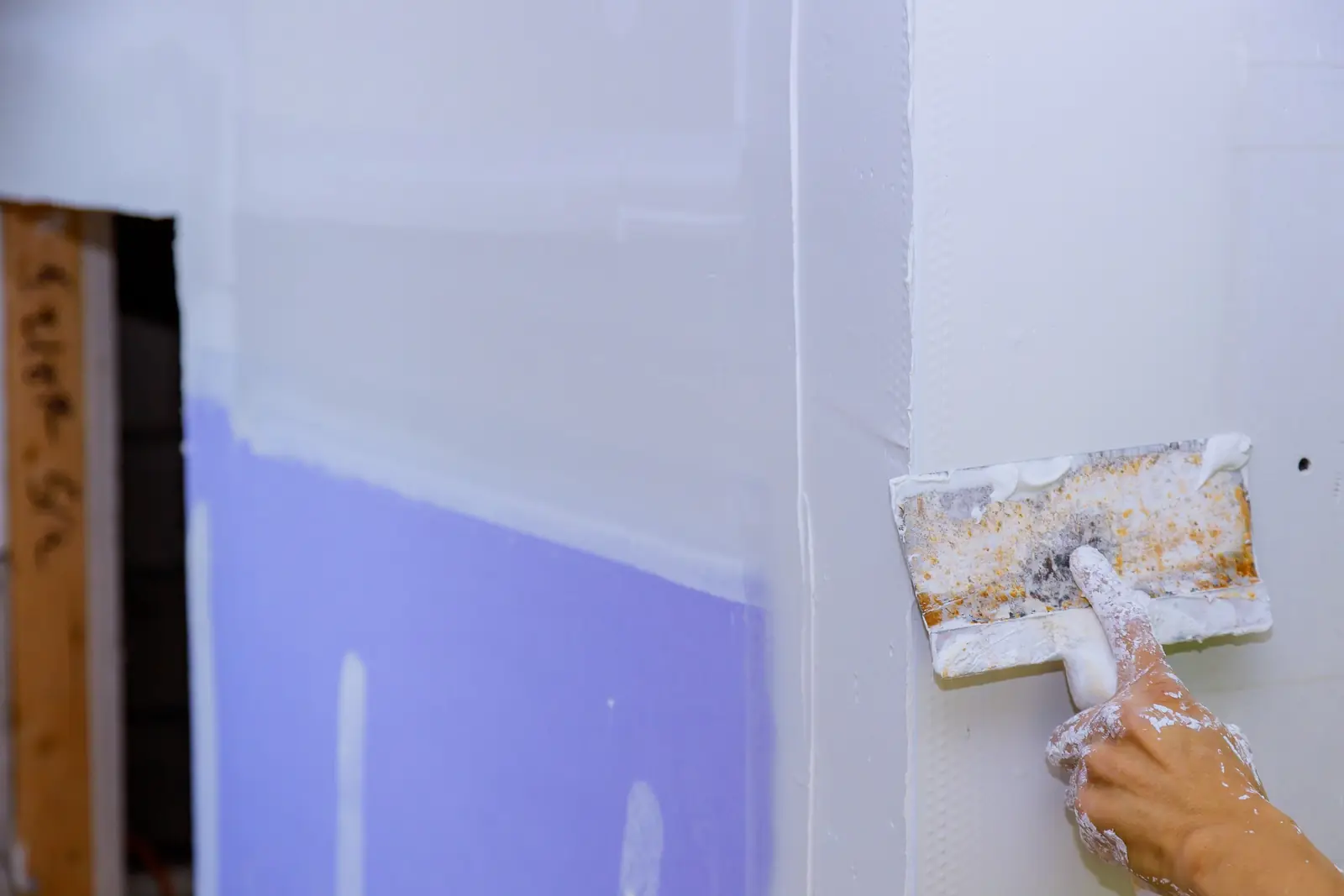
See what changes
Drag the level across the photo — or focus it and use your arrow keys — to compare a typical starting point with a finished result.
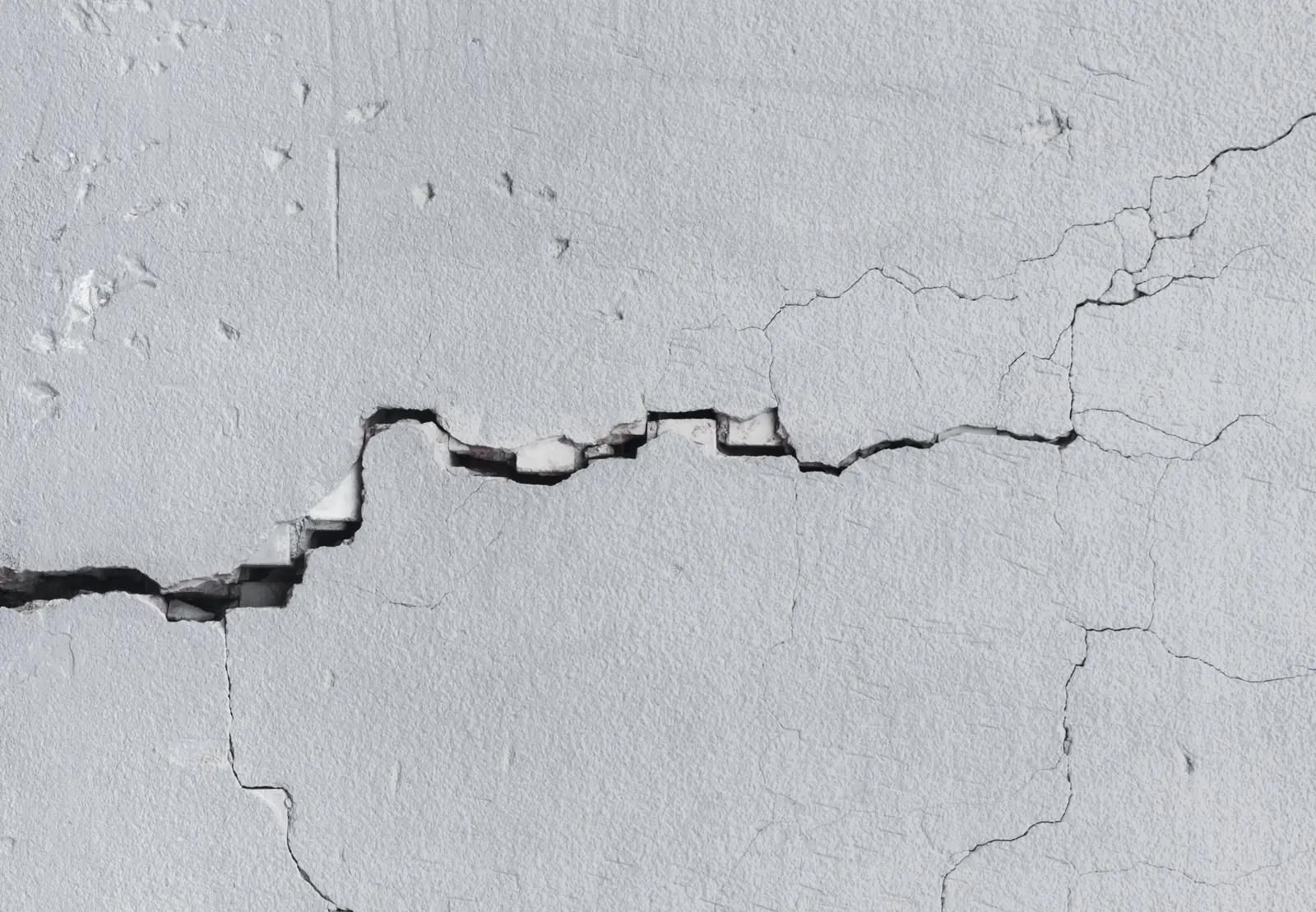
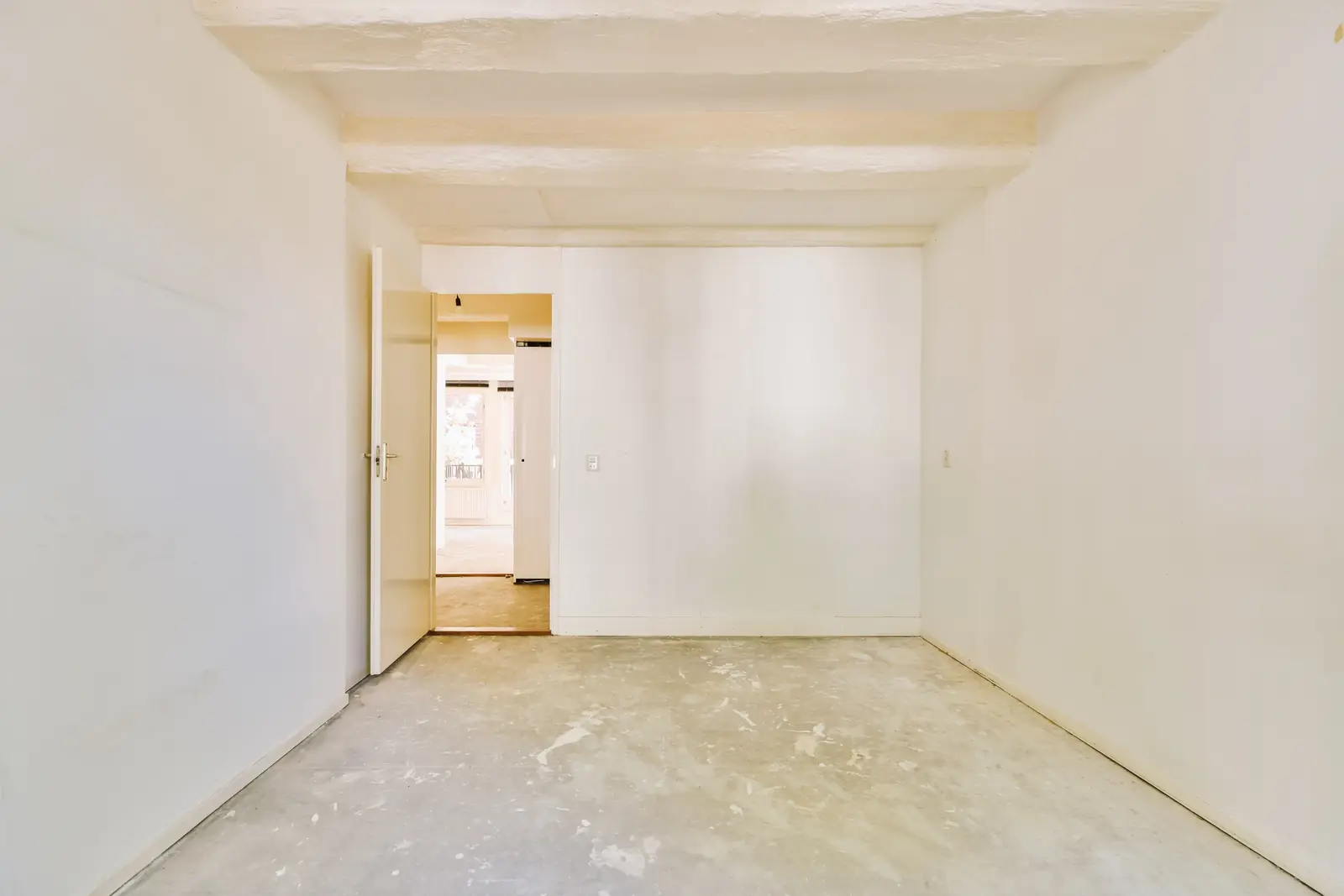 BeforeAfter
Illustrative stock photos showing typical before and after conditions — not a Muskego Elite Drywall project. Real job photos will replace these.
Why Muskego walls crack
Southeast Wisconsin swings from dry, heated winter air to humid summers, and framing lumber shrinks and swells with it. That’s why so many cracks open in January and partly close by July. Homes close to the lakes and on low, wet lots can also see more moisture-related tape and paper problems. Both are worth knowing before choosing a repair.
Drywall Repair questions
Something else on your mind? Add it to your estimate request.
Is a cracked wall a structural problem?
Most hairline cracks are normal seasonal movement. Cracks that keep widening, doors that start sticking, or cracks paired with sloping floors are worth having looked at by a structural professional.
Why do nail pops keep showing up in my newer house?
Framing lumber dries out during the first couple of years and shrinks, which pushes nail heads outward. Adding screws beside them and refinishing is the reliable fix.
Can you fix just one spot without repainting the whole wall?
We can repair and prime a single spot. For the most invisible result, though, repainting the wall corner to corner is best — touch-up paint rarely matches sheen perfectly.
When should drywall be replaced instead of repaired?
When it has been soaked, is soft or crumbling, has mold, or the damage is so large that a fresh sheet is simpler than patching.
Often part of the same job
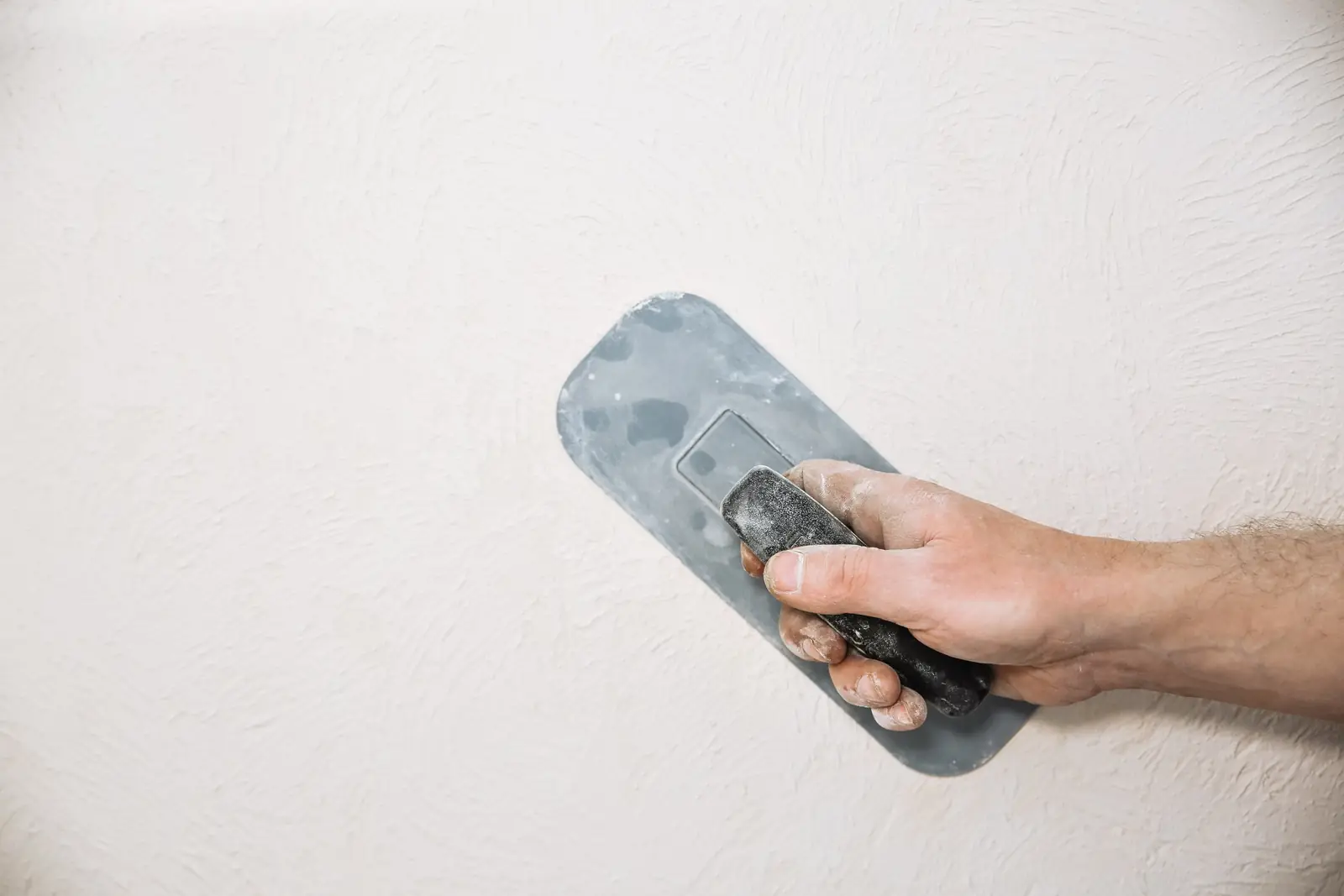
Drywall Patching
Doorknob holes, anchor tear-outs and access cut-outs patched solid and feathered so they disappear under fresh paint.
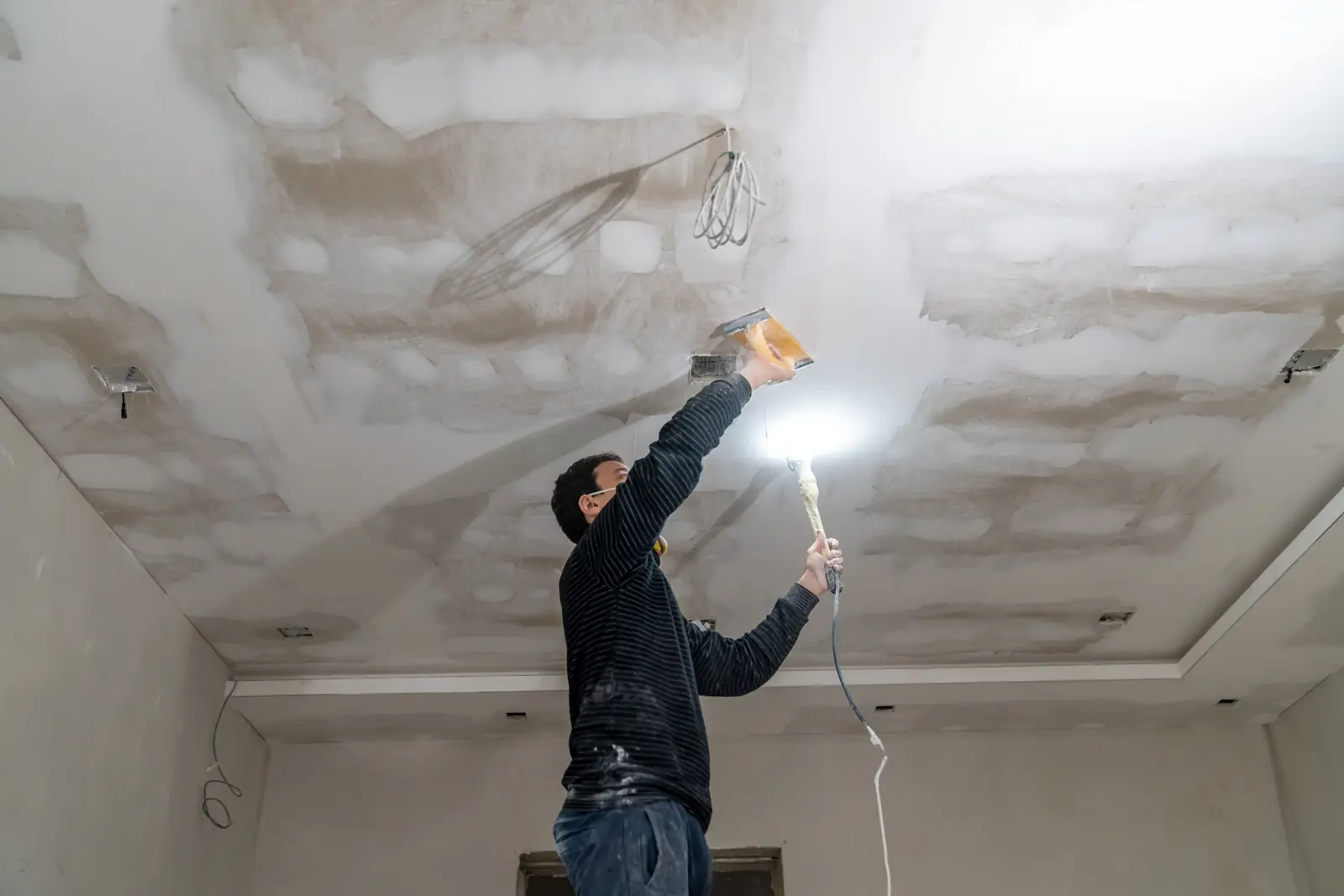
Ceiling Drywall Repair
Seam cracks, sagging panels, popped screws and leak damage overhead — repaired flat enough to pass the light from every window.
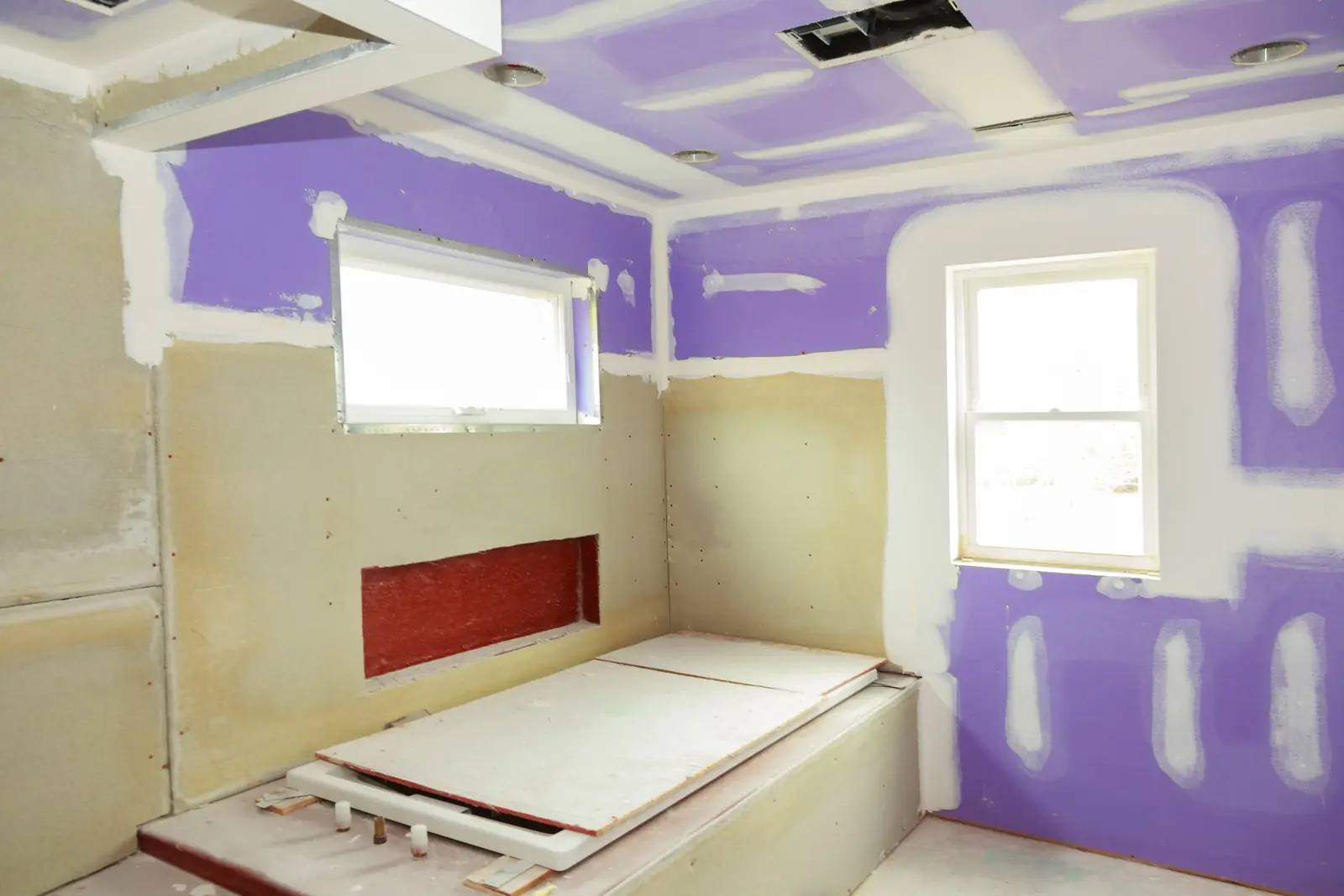
Water-Damaged Drywall Repair
Soaked, stained or sagging board removed back to dry material, the cavity confirmed dry, then rebuilt and finished.
Drywall Finishing
Finish levels chosen for the light in each room — through Level 5 skim coats for walls that sit beside big windows.
Got a crack that keeps coming back?
Send a couple of photos and tell us when it first appeared. We’ll follow up about what the repair involves.
Get a Free Estimate